
PAE vs. TURP: How Do They Compare?
A side-by-side comparison to help you make the right decision.
Schedule Your PAE Consultation



Medically reviewed by the physicians of Image Guided Intervention — Dr. Austin Bourgeois, Dr. David Kim, Dr. Ivan Morales, and Dr. Dana Tomalty, board-certified interventional radiologists in Huntsville, Alabama. Last reviewed: October 2026
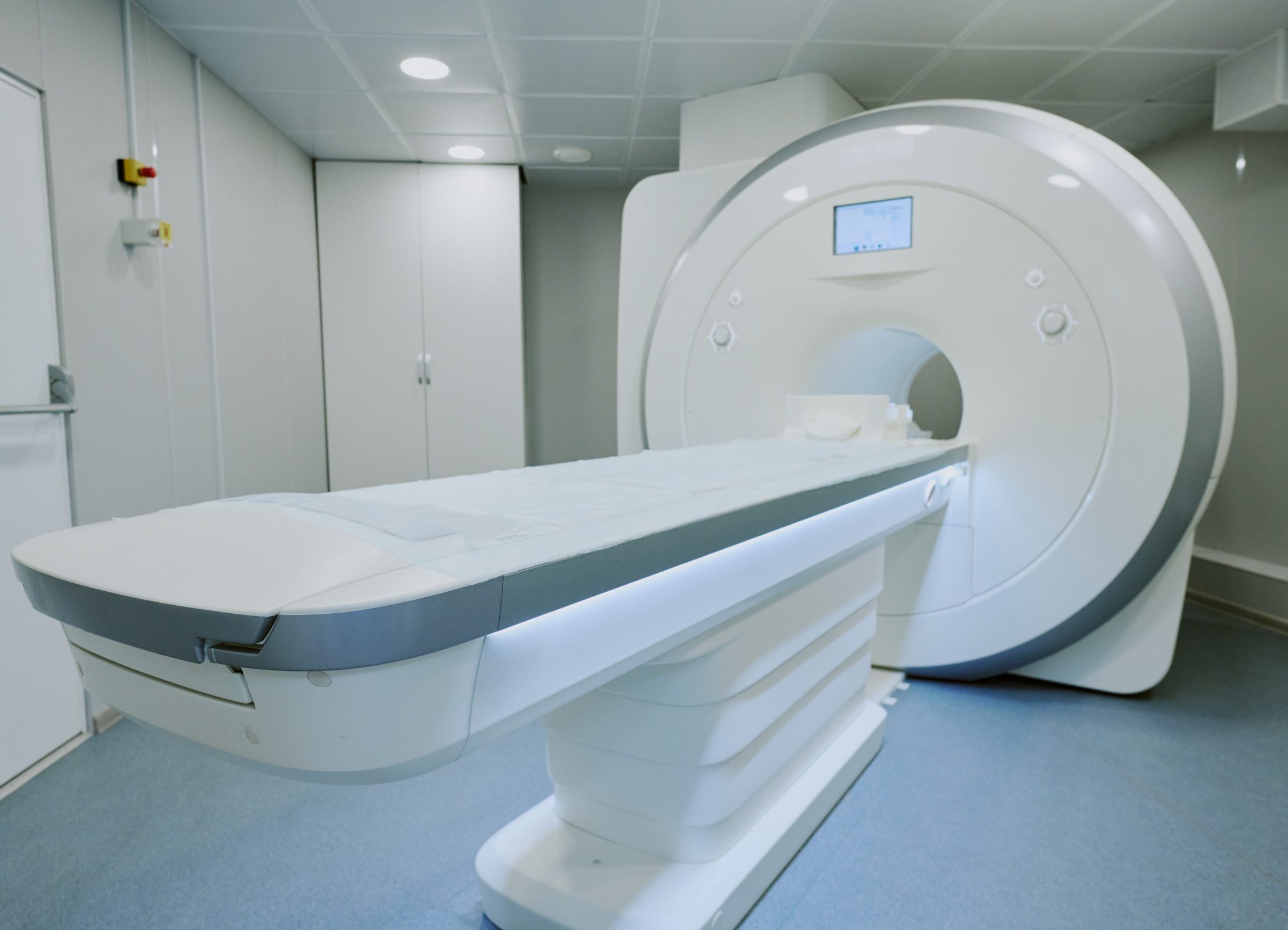
If you have been diagnosed with benign prostatic hyperplasia (BPH) and are weighing your treatment options, the choice often comes down to prostatic artery embolization (PAE) versus transurethral resection of the prostate (TURP). Both are proven treatments with decades of clinical evidence. But they differ significantly in how they work, how they affect your body, how quickly you recover, and what side effects you can expect.
This page provides a transparent, data-driven comparison so you can have an informed conversation with your physician about which approach is right for your situation.
PAE vs. TURP: Side-by-Side Comparison
A detailed look at how prostatic artery embolization compares to traditional TURP surgery.
← Swipe to see both treatments →
| Feature | PAE | TURP Surgery |
|---|---|---|
| Procedure Details | ||
| How it works | Tiny beads block blood flow to prostate via catheter in groin; prostate shrinks 20–40% over months | Instrument inserted through penis removes tissue with electrocautery or laser; immediate channel cleared |
| Anesthesia | Conscious sedation (twilight) | General or spinal |
| Setting | Outpatient — go home same day | Hospital — 1–3 night stay |
| Urethral catheter | No catheter. Nothing through the penis. | Catheter through penis for 1–3 days |
| Procedure time | 1–2 hours | 60–90 minutes |
| Prostate size limit | No upper limit (works on >200g) | Generally limited to <80g |
| Recovery | ||
| Recovery time | Light activity 5 days; work in 3–5 days | 2–6 weeks restricted; 2–4 weeks to work |
| Sexual Function | ||
| Erectile dysfunction | 0% new ED. 60% report IMPROVED function. | Up to 10% new ED |
| Retrograde ejaculation | 0–24% (most studies <10%) | 62–75% (permanent in most cases) |
| Urinary incontinence | 0% in large studies | 1–3% |
| Effectiveness | ||
| Symptom improvement (IPSS) | 7–10 points (to ~6–7 by 6 months) | 10–13 points (to ~10–13) |
| Technical success rate | 92–98% | 95–99% |
| Clinical success at 1 year | ~90% | ~90–95% |
| Long-term durability (5 years) | About 80% maintaining improvement | 85–90% maintaining improvement |
| Retreatment rate at 5 years | ~20% | 5–10% |
| Safety & Cost | ||
| Major complication rate | 0.3–0.65% | 2–5% |
| Blood transfusion risk | None | 2–5% |
| 3-Year Medicare cost | $2,934 | $6,038 |
Our physicians perform PAE in Huntsville — no surgery, no catheter, no hospital stay.
Which Is Right for You?
When PAE Is the Better Choice
PAE is typically the better choice when you prioritize preserving sexual function, including both erections and normal ejaculation. It is also preferred when you want the fastest possible recovery with minimal disruption to your daily life, when you cannot tolerate general or spinal anesthesia due to heart, lung, or other health conditions, when your prostate is very large (over 80 grams) and exceeds the size limits of TURP, UroLift, or Rezūm, when you cannot safely stop blood-thinning medications, or when you simply prefer to avoid having any instrument inserted through the penis.
PAE is also an excellent choice for men who want to address their BPH while keeping all future treatment options open. Because PAE does not remove or alter prostate tissue structurally, every surgical option remains available if needed later.
When TURP May Be the Better Choice
TURP may be the better choice when maximum long-term symptom relief is the top priority and retreatment risk needs to be minimized, when there is significant urinary retention requiring catheterization that needs immediate resolution, or when prostate anatomy makes embolization technically challenging (rare, but occasionally encountered).
TURP has a longer track record (performed since the 1960s) and slightly better five-year durability data. For men who are not concerned about retrograde ejaculation and can tolerate a longer recovery, TURP remains an excellent treatment.
What About Other Options?
PAE and TURP are not the only choices.
UroLift
Uses permanent implants. Limited to smaller prostates; 13.6% retreatment at 5 years.
Rezūm
Uses steam injections. Limited to smaller prostates; requires a catheter for 3–7 days.
HoLEP
Laser surgery with excellent long-term data, but requires general anesthesia and has a longer recovery than PAE.
Aquablation
Uses robotic water jet technology. Newer, with limited availability.
Medications
Alpha-blockers and 5-alpha reductase inhibitors manage symptoms but do not shrink the prostate and often lose effectiveness over time.
Our physicians discuss all relevant options during your consultation and are transparent about which approach offers the best outcome for your specific prostate size, anatomy, symptoms, and priorities.
PAE vs. TURP FAQs
Quick answers to the most common comparison questions.
Is PAE as effective as TURP?
Both are effective. TURP produces slightly larger symptom-score improvement (10–13 points versus 7–10 for PAE) and better five-year durability (85–90 percent versus about 80 percent). Clinical success at one year is similar — about 90 percent for PAE and 90–95 percent for TURP.
Which has the faster recovery, PAE or TURP?
PAE. Most men return to work in 3–5 days, with light activity for the first five days and same-day discharge. TURP usually involves a 1–3 night hospital stay, a urinary catheter for 1–3 days, and 2–4 weeks before returning to work.
Which is better for preserving sexual function?
PAE. Large studies show 0 percent new erectile dysfunction after PAE and retrograde ejaculation in 0–24 percent of men, compared to up to 10 percent new erectile dysfunction and 62–75 percent retrograde ejaculation after TURP.
Do PAE results last as long as TURP?
Not quite. About 80 percent of PAE patients maintain improvement at five years, compared to 85–90 percent after TURP, and retreatment at five years is about 20 percent for PAE versus 5–10 percent for TURP. PAE can be repeated if needed.
Can I still have TURP after PAE?
Yes. PAE does not remove or structurally alter prostate tissue, so every surgical option — including TURP and HoLEP — remains available if you need additional treatment later.
Is PAE less expensive than TURP?
Yes. Three-year Medicare cost modeling puts PAE at $2,934 compared to $6,038 for TURP, driven by the outpatient setting, no general anesthesia, and fewer complications.
When might TURP be the better choice?
TURP may be better when maximum long-term symptom relief and the lowest retreatment risk are the top priorities, when significant urinary retention needs immediate resolution, or when prostate anatomy makes embolization technically challenging.
PAE Physicians in Huntsville
Prostate artery embolization is performed by our board-certified interventional radiologists. Call the clinic and you'll be scheduled with the first available specialist.
Make an Informed Decision
The right BPH treatment depends on your priorities — symptom relief, sexual function preservation, recovery speed, and long-term durability. Our physicians welcome the opportunity to review your case and give you an honest assessment of whether PAE or a surgical referral best serves your needs.
Schedule a Consultation