
Kidney Cryoablation in Huntsville
Destroy small kidney tumors by freezing — without surgery, without losing your kidney.
Schedule a Consult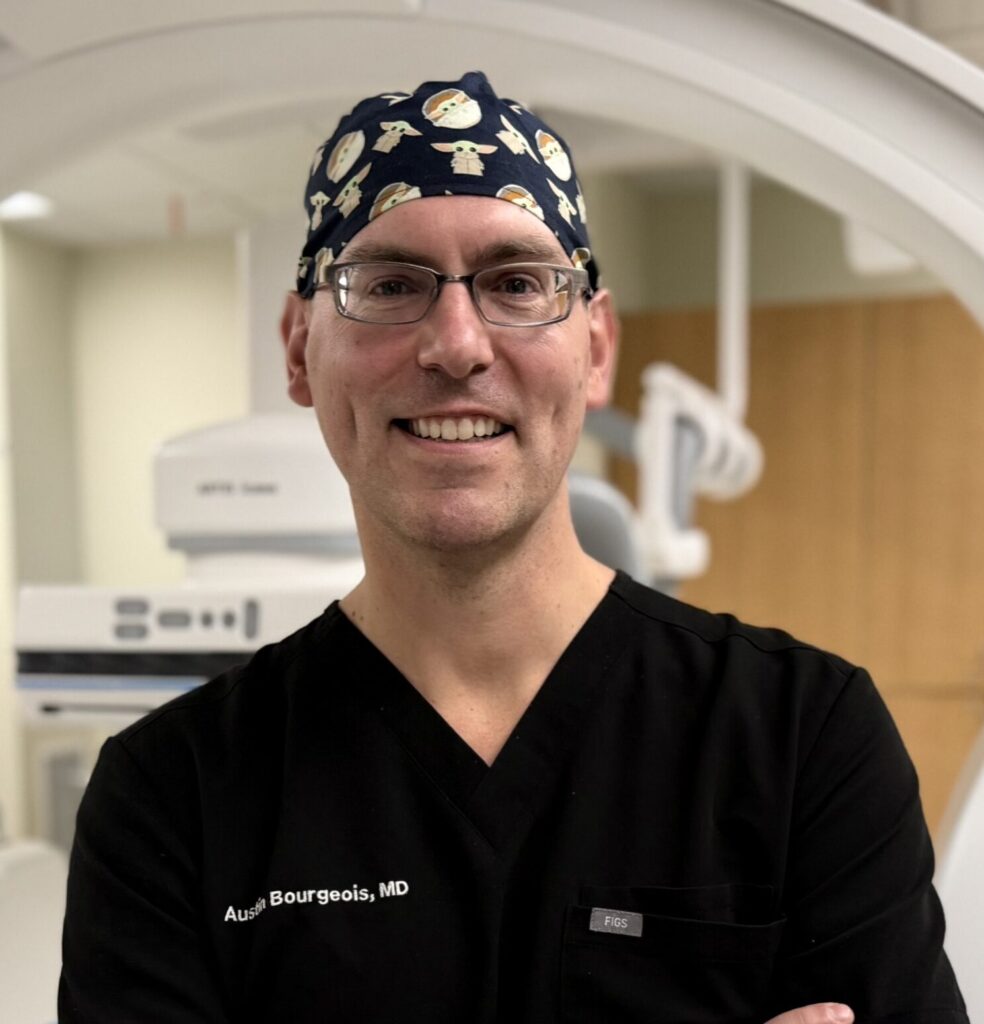


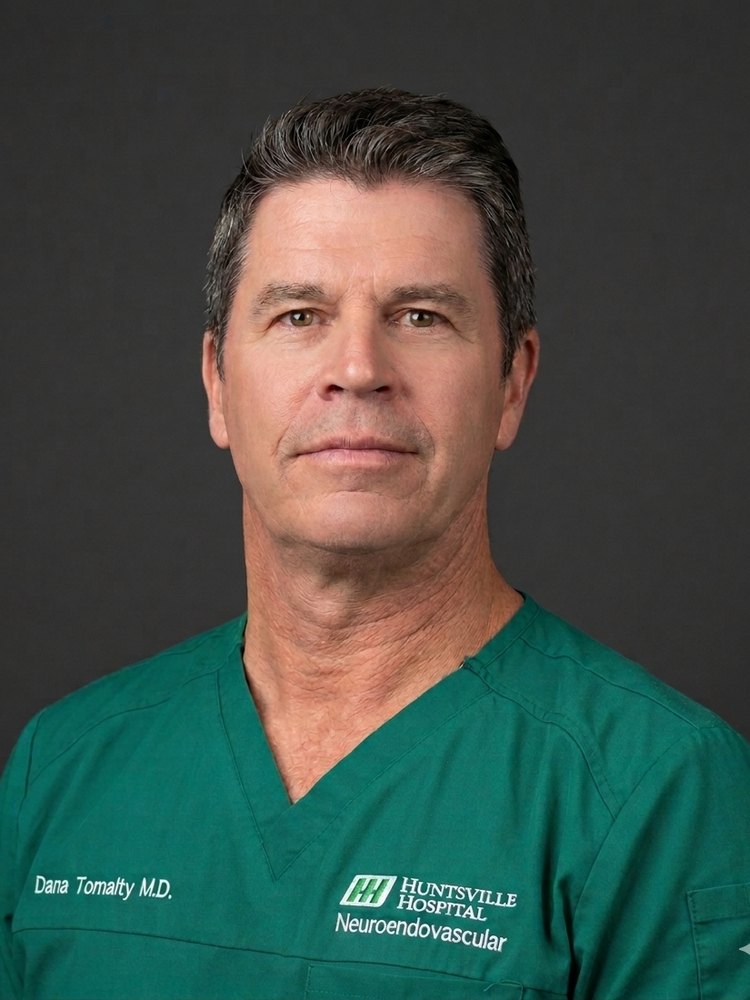
Medically reviewed by the physicians of Image Guided Intervention — Dr. Austin Bourgeois, Dr. David Kim, Dr. Ivan Morales, and Dr. Dana Tomalty, board-certified interventional radiologists in Huntsville, Alabama. Last reviewed: October 2026
You Were Told You Have a Kidney Mass — Here Is What You Need to Know
If a CT scan or MRI revealed something unexpected on your kidney, take a breath. You are in the right place, and the news may be better than you think.
Most small kidney masses are found incidentally — during imaging ordered for something else entirely. Up to 30 percent turn out to be benign when biopsied, and small kidney cancers caught at this stage are among the most treatable cancers in medicine.
Kidney cryoablation destroys small kidney tumors by freezing them through a needle-thin probe inserted through the skin. There are no surgical incisions, no kidney removal, and no stitches. The tumor is destroyed in place, and your kidney continues to function normally.
This is not a compromise or a second-choice treatment. A landmark Johns Hopkins study following patients for ten years found 94 percent disease-specific survival — identical at five and ten years — matching the outcomes of surgical removal for small kidney tumors. Fewer than 3 percent of patients experience major complications, compared to 15 to 20 percent with surgery, and 95 percent maintain normal kidney function at three years, compared to 70 percent after partial nephrectomy.
The procedure typically takes one to three hours, most patients go home the same day or the next morning, and most return to their normal routine within one to two weeks. Our board-certified interventional radiologists perform percutaneous kidney cryoablation using real-time CT guidance — the most precise, least invasive approach available.
Kidney Conditions We Treat with Cryoablation
Small Renal Cell Carcinoma (Stage T1a)
The most common indication. Stage T1a tumors — four centimeters or smaller and confined to the kidney — are ideal candidates, with technical success rates of 94 to 100 percent for tumors under three centimeters. The American Urological Association, the National Comprehensive Cancer Network, and the European Association of Urology all endorse thermal ablation as an appropriate treatment for T1a renal masses.
Incidentally Discovered Kidney Masses
Most small kidney tumors today are found unexpectedly during imaging for unrelated reasons. Cryoablation offers a way to definitively treat the mass with minimal disruption to your life. A biopsy is typically performed at the start of the procedure to confirm the diagnosis — and if the mass is benign (20 to 30 percent of cases), that information guides ongoing management.
Tumors in Patients with a Single Kidney
Preserving kidney function is paramount when you have only one functioning kidney. Cryoablation destroys only the tumor and a small margin, leaving the maximum amount of healthy kidney intact. Studies show 95 percent of cryoablation patients remain free of chronic kidney disease at three years, compared to 70 percent after partial nephrectomy.
Bilateral Kidney Tumors
When tumors develop in both kidneys, cryoablation can treat both sides while preserving the most functional kidney tissue on each — especially important for patients with hereditary conditions like Von Hippel-Lindau disease who may develop multiple tumors over their lifetime.
Tumors in Patients with Significant Health Conditions
Patients with heart disease, lung disease, diabetes, obesity, or other conditions that raise the risk of major surgery are often excellent candidates. The procedure can be performed under conscious sedation in some cases, involves minimal blood loss, and allows same-day or next-day discharge.
Hereditary Kidney Cancer Syndromes
Patients with Von Hippel-Lindau disease, hereditary papillary renal cell carcinoma, Birt-Hogg-Dubé syndrome, and other genetic conditions benefit from cryoablation's tissue-sparing, repeatable nature. Rather than removing kidney with each new tumor, cryoablation can be performed multiple times while preserving long-term kidney function.
Destroying Tumors by Freezing — From the Inside Out
Cryoablation uses extreme cold to destroy cancer cells — the opposite approach from heat-based ablation, with a unique advantage: the treatment zone is visible in real time on CT as a ball of ice forming around the tumor.
A thin cryoprobe — roughly the diameter of a pencil lead — is guided through the skin into the center of the tumor using real-time CT. When activated, compressed argon gas expands at the tip, dropping temperatures to approximately −160°C (−256°F) and creating a growing sphere of ice — the ice ball — that engulfs the tumor and a surrounding margin.
Cell death occurs through several mechanisms. Ice crystals form inside cancer cells and rupture their membranes; water freezing out of the spaces between cells draws remaining fluid out through osmotic shock; and freezing destroys the tiny blood vessels feeding the tumor. The result is complete, irreversible destruction of the frozen tissue.
The standard protocol uses a double freeze-thaw cycle: a ten-minute freeze, a five-to-eight-minute passive thaw, then a second ten-minute freeze, which is even more lethal because previously frozen tissue conducts cold roughly four times better. Your physician monitors the ice ball on CT throughout, making sure it extends five to ten millimeters beyond the tumor edge in all directions.
Over the following months, the destroyed tissue is gradually absorbed. On follow-up imaging, the treated area shrinks approximately 26 percent at three months, 56 percent at one year, and 75 percent at three years, eventually resolving into a small scar or area of fat.

Why Cryoablation Instead of Radiofrequency or Microwave Ablation?
Radiofrequency (RFA) and microwave ablation are heat-based techniques widely used for liver tumors. All three can destroy kidney tumors, but cryoablation has become the preferred method for kidney masses:
- Fewer retreatments than radiofrequency ablation — 1.3 percent versus 8.5 percent — and lower tumor progression (5.2 percent versus 12.9 percent).
- The visible ice ball allows real-time confirmation that the entire tumor is covered with adequate margins.
- Less painful than heat-based techniques, because freezing has a natural anesthetic effect on nerve endings.
- Safer near the ureter and renal collecting system, which are less damaged by freezing than by heat.
For these reasons, percutaneous cryoablation is the dominant ablation technique for kidney tumors at major academic medical centers, and it is the approach our physicians use for renal mass ablation.
Is Kidney Cryoablation Right for You?
The best candidates typically have tumors four centimeters or smaller (ideally three or smaller), a location accessible through the skin, no spread beyond the kidney, and no active urinary tract infection or uncorrectable clotting disorder. During your consultation, your physician reviews your imaging, labs, and history to determine whether cryoablation is the best approach — or whether surgical referral or active surveillance would serve you better.
Small Kidney Tumors (T1a — 4 cm or Smaller)
Tumors three centimeters or smaller achieve the highest success rates — 97 to 100 percent complete ablation — with outcomes that match surgical removal. Tumors in the three-to-four centimeter range are also treatable with excellent results, typically with additional cryoprobes. Exophytic tumors (protruding outward from the kidney surface) and posterior tumors are particularly well suited to the percutaneous approach.
Patients Who Want to Preserve Kidney Function
Even when surgery is technically possible, some patients and their physicians choose cryoablation for its superior kidney-function preservation — 95 percent free of chronic kidney disease at three years versus 70 percent after partial nephrectomy. This matters most for patients with borderline kidney function, diabetes, hypertension, or a single kidney.
Patients with Health Conditions That Increase Surgical Risk
Heart disease, lung disease, obesity, diabetes, advanced age, and blood thinners that cannot be safely stopped all increase surgical risk. Cryoablation offers a major complication rate under 3 percent — compared to 15 to 20 percent for partial nephrectomy — with minimal blood loss, and can be performed under conscious sedation when general anesthesia poses too great a risk.
Patients Choosing Cryoablation as a First-Line Option
Cryoablation is not only for patients who cannot have surgery. Guideline-supported evidence shows equivalent cancer-specific survival for small kidney tumors, and more informed patients are choosing it for its shorter recovery, better kidney preservation, and lower complication rate. If you have been told surgery is your only option for a small kidney tumor, it is worth exploring whether cryoablation could achieve the same outcome.
What to Expect: Your Kidney Cryoablation Journey
Select a step to learn more.
Consultation and Treatment Planning
Your interventional radiologist reviews your diagnosis, imaging (CT or MRI), lab results, and medical history — including the tumor's size, location, and relationship to the ureter, collecting system, and nearby organs — explains how cryoablation works, and compares it to surgery and active surveillance. If you have been referred by a urologist or oncologist, we coordinate directly with your care team.
Pre-procedure blood work — including kidney function (creatinine and GFR), coagulation studies, and a complete blood count — is obtained. You receive instructions about stopping blood thinners, fasting (nothing to eat or drink after midnight), and what to expect on procedure day.
Procedure Day
You check in at the day surgery unit, an IV is placed, and monitoring equipment is attached. For most kidney cryoablations, general anesthesia is used — you will be completely asleep and feel nothing. The team positions you face-down (prone) or at a slight angle in the CT scanner, and using CT guidance your interventional radiologist makes a small skin puncture and advances the thin cryoprobe through the back muscles into the center of the tumor. Tumors under two centimeters typically need one or two probes; two-to-three centimeter tumors two or three; larger tumors four or more, arranged so the ice ball completely covers the tumor with adequate margins. A biopsy is typically taken at this point to confirm the diagnosis.
The first ten-minute freeze cycle begins, with CT scans every few minutes to confirm the ice ball extends beyond the tumor edge. After a five-to-eight-minute passive thaw, a second ten-minute freeze is performed. If the tumor is near the ureter or bowel, your physician may use hydrodissection — injecting sterile fluid to push vulnerable structures away — or pyeloperfusion — running warm saline through the collecting system to protect it. After the final thaw, the probes are removed and a small bandage is applied. No stitches are needed. The procedure typically takes one to three hours.
Recovery and Discharge
After waking from anesthesia, you spend several hours in recovery while the team monitors your vital signs, pain levels, and puncture sites. Most patients feel surprisingly well — mild soreness at the insertion site in the back or flank and some grogginess from anesthesia.
Once you are eating, drinking, walking comfortably, and your blood work confirms stable kidney function, you are cleared to go home — most patients within four to six hours. A responsible adult must drive you.
Recovery at Home and Follow-Up
Rest for the first day or two, keep the puncture sites clean and dry, and avoid heavy lifting for about a week. Most patients return to light activities and desk work within two to three days, many need only over-the-counter pain medication, and full return to normal activities, including exercise, typically occurs within one to two weeks.
Your first follow-up CT or MRI at about one month confirms complete tumor destruction — seen as an area with no contrast enhancement, slightly larger than the original tumor. Imaging is then repeated at three, six, and twelve months, then annually for at least five years. The treated area gradually shrinks on each scan — a normal, expected finding.
What If the Biopsy Shows a Benign Mass?
Approximately 20 to 30 percent of small kidney masses biopsied during cryoablation turn out to be benign. In that case, the cryoablation still treats the mass definitively, eliminating the need for ongoing surveillance imaging and the anxiety of watching and waiting.
Some patients and their physicians may choose to stop the ablation if a clearly benign result is available quickly, but in most cases treating the mass provides peace of mind and avoids years of follow-up imaging for an indeterminate lesion.
Why Patients Choose Cryoablation
94% Disease-Specific Survival at 10 Years
A landmark Johns Hopkins study tracking patients for a full decade found 94 percent disease-specific survival at both five and ten years — matching the cancer control of surgical removal for small kidney tumors.
Preserves Your Kidney
Cryoablation destroys only the tumor and a small margin, leaving the rest of the kidney intact. At three years, 95 percent of cryoablation patients remain free of chronic kidney disease, compared to 70 percent after partial nephrectomy.
Fewer Than 3% Major Complications
The major complication rate for percutaneous kidney cryoablation is approximately 3 percent — compared to 15 to 20 percent for partial nephrectomy. Blood loss is minimal; the average patient loses less than a tablespoon.
Minimal Pain
Freezing has a natural anesthetic effect on tissue. Studies report average pain scores of just 1.8 out of 10 on the first day, and many patients use nothing more than over-the-counter acetaminophen during recovery.
Same-Day Discharge
Most patients go home within four to six hours. Partial nephrectomy typically requires a three-to-five-day hospital stay, and many straightforward cryoablation cases are true outpatient procedures.
Back to Your Life in Days, Not Weeks
Most patients return to light activities within two to three days and are fully recovered within one to two weeks. Partial nephrectomy typically requires four to six weeks before normal activities resume.
Visible Treatment Zone — Real-Time Confirmation
Unlike heat-based ablation, the ice ball created during cryoablation is clearly visible on CT as it forms, so your physician can confirm in real time that the entire tumor — plus a safety margin — has been treated before you leave the procedure room.
Repeatable and Safe for Future Treatments
Because cryoablation preserves healthy kidney tissue, it can be safely repeated if a new tumor develops in the same or opposite kidney — especially valuable for patients with hereditary kidney cancer syndromes.
Cryoablation vs. Other Kidney Tumor Treatments
The right treatment for a small kidney tumor depends on tumor size, location, your overall health, and your kidney function. Here is how cryoablation compares:
Cryoablation vs. Partial Nephrectomy (Kidney-Sparing Surgery)
- Cancer-specific survival is comparable. A meta-analysis of over 6,400 patients found no significant difference in overall or cancer-specific survival between cryoablation and partial nephrectomy for T1a tumors, and the Johns Hopkins 10-year study confirmed 94 percent disease-specific survival.
- Cryoablation has far fewer complications: about 3 percent major complications versus 15 to 20 percent for partial nephrectomy. Average blood loss is under 15 milliliters versus over 100 milliliters with surgery.
- Kidney function is better preserved: 95 percent free of chronic kidney disease at three years versus 70 percent after partial nephrectomy.
- Recovery is dramatically faster: same-day discharge versus a three-to-five-day hospital stay, and one to two weeks versus four to six weeks to normal activities.
- Cryoablation does have a higher rate of local recurrence (about 5 to 10 percent versus 1 to 3 percent). Recurrences found on surveillance imaging can be retreated with a second cryoablation, and cancer-specific survival remains equivalent.
- Surgery may be preferred for tumors larger than four centimeters, tumors with complex anatomy involving the renal hilum, or when the entire tumor is needed for diagnosis.
Cryoablation vs. Radical Nephrectomy (Complete Kidney Removal)
- Removing the entire kidney is generally considered overtreatment for small kidney tumors that can be treated with nephron-sparing approaches. Both partial nephrectomy and cryoablation preserve kidney function and achieve equivalent cancer control for T1a tumors.
- If you have been told you need your entire kidney removed for a small tumor (under four centimeters), seeking a second opinion is reasonable. Guideline organizations recommend nephron-sparing approaches whenever feasible for small renal masses.
- Cryoablation preserves the most kidney tissue of any treatment approach — an advantage that grows with age, as kidney function naturally declines over time.
Cryoablation vs. Active Surveillance (Watchful Waiting)
- Active surveillance — monitoring the tumor with regular imaging without immediate treatment — is appropriate for some patients, particularly those over 75 or with serious competing health conditions where the tumor is unlikely to affect life expectancy.
- Surveillance carries the psychological burden of living with a known tumor and the risk that it grows beyond the ideal treatment window. About one-third of surveilled tumors grow enough to eventually require intervention.
- For patients healthy enough for treatment who prefer definitive action, cryoablation resolves the uncertainty with minimal risk and rapid recovery — while the tumor is still at its most treatable size.
- Your physician discusses both cryoablation and active surveillance during your consultation and helps you decide which fits your medical situation, life expectancy, and preferences.
Your Recovery Timeline After Kidney Cryoablation
One of the most consistent things patients say is that recovery was far easier than they expected. Here is an honest timeline so you know what to anticipate.
- Day of Procedure
Discharge Day
After waking from anesthesia, you spend several hours in recovery. Most patients feel surprisingly well — mild soreness at the probe site in the back or flank and some grogginess. Pain averages just 1.8 out of 10. Once you are eating, drinking, walking comfortably, and your blood work confirms stable kidney function, you go home — most patients within four to six hours.
- Days 1–3
Rest at Home
Mild soreness at the puncture site is normal and typically managed with acetaminophen. Some patients notice slight bruising or a small amount of blood in the urine for the first 24 to 48 hours — expected, and it resolves on its own. Keep puncture sites clean and dry, avoid baths and swimming for 48 to 72 hours, and stay well hydrated.
- Days 3–7
Energy Returns
Energy improves noticeably each day. Many patients return to desk work, light errands, and driving by day three to five. About 9 percent experience post-ablation syndrome — low-grade fever, mild fatigue, and body aches — a normal inflammatory response that resolves within a few days.
- Weeks 1–2
Fully Recovered
Most patients feel fully recovered and resume their normal routine, including light exercise. The puncture sites heal into barely visible marks. Avoid heavy lifting and strenuous exercise until cleared by your physician, typically at one to two weeks.
- One Month
First Follow-Up Imaging
Your first contrast-enhanced CT or MRI establishes a baseline of the ablation zone — an area with no enhancement, slightly larger than the original tumor because of the safety margin. Your physician reviews the results with you and confirms whether complete tumor destruction was achieved.
- Months 3, 6, and 12
The Treated Area Shrinks
Imaging is repeated at three, six, and twelve months. The treated area gradually shrinks as your body absorbs the destroyed tissue, and a finding called “fat involution” is a sign of successful treatment. Kidney function is checked with blood work at each visit.
- Years 2–5 and Beyond
Long-Term Surveillance
Annual imaging continues for at least five years. Most local recurrences, if they occur, are found within the first two years and can be retreated with a second cryoablation. Long-term data show metastasis-free survival of 94.4 percent at five years and 91 percent at fifteen years.
Insurance Coverage for Kidney Cryoablation
Kidney cryoablation is covered by all major insurance plans when medically indicated, including Blue Cross Blue Shield of Alabama, Medicare, Alabama Medicaid, TRICARE, UnitedHealthcare, Aetna, and Cigna. The procedure is billed under CPT code 50593 (percutaneous renal cryoablation). Prior authorization is typically required, and our team handles this process on your behalf.
Cryoablation is significantly less expensive than partial nephrectomy when total costs are considered — a same-day discharge instead of three to five hospital days, a return to work in days instead of weeks, and fewer complications requiring additional treatment.
Veterans receiving care through the VA system may be eligible for community care authorization to receive kidney cryoablation locally in Huntsville rather than traveling to the Birmingham VA Medical Center. Our office can assist with the referral and authorization process.
Before your procedure, our team verifies your coverage, obtains necessary authorizations, and explains any expected out-of-pocket costs.
Honest Answers About the Limits of Cryoablation
Not every kidney tumor is best treated with cryoablation — and we believe in being upfront about that from the start. Here is when our physicians may recommend a different approach:
- Tumors Larger Than 4 CentimetersWhile cryoablation can technically treat tumors up to seven centimeters, success rates decline above four centimeters. For four-to-seven centimeter tumors, partial nephrectomy generally offers better local control, and our physicians will refer you to a urologic surgeon when surgery offers a meaningfully better outcome.
- Tumors Invading the Renal Vein or Collecting SystemTumors that have grown into the main renal vein or extensively involve the central collecting system are generally not appropriate for cryoablation and require surgical management. Imaging reviewed during your consultation helps identify these features.
- When a Full Tissue Specimen Is NeededBecause cryoablation destroys the tumor in place, only a biopsy specimen is available. If your medical team determines a full surgical specimen is essential for diagnosis or staging, partial nephrectomy would be recommended.
- Active Surveillance as an AlternativeFor some patients — particularly those over 75, those with serious competing health conditions, or those with very small tumors that may be benign — active surveillance may be the most appropriate initial strategy. Our physicians discuss this openly and support patients who choose it.
- If Cryoablation Leaves Residual TumorIn approximately 5 to 10 percent of cases, follow-up imaging shows a small area of residual or recurrent tumor. Found early through structured surveillance, it is almost always treatable with a repeat session, and cancer-specific survival remains equivalent to surgery.


Expert Kidney Tumor Treatment — Close to Home
Percutaneous cryoablation performed by an interventional radiologist is a guideline-endorsed option for small kidney tumors, with outcomes matching surgery. We work closely with your urologist, who continues to manage your care, so that every appropriate option is on the table.
Our interventional radiologists bring this capability to Huntsville, with expertise in CT-guided percutaneous ablation and the full spectrum of liver-directed therapies. Interventional oncology is also a focus of Dr. Austin Bourgeois's research:
- Board-certified in Interventional Radiology and Diagnostic Radiology
- Fellowship-trained in Vascular and Interventional Radiology at the Medical University of South Carolina, with specialized training in image-guided tumor ablation
- Published researcher in interventional oncology, with peer-reviewed manuscripts in the Journal of Vascular and Interventional Radiology (JVIR)
- Member of the JVIR editorial board
- Practicing in North Alabama since 2016, with established relationships across the regional urology, oncology, and primary care referral network
You receive the same quality of care available at major academic medical centers — with the convenience of staying in Huntsville, close to your family, your urologist, and your support system. Whether you have been referred by your urologist, are seeking a second opinion, or discovered cryoablation through your own research, our physicians welcome the opportunity to review your case and discuss your options honestly.
Frequently Asked Questions
Quick answers about kidney cryoablation — effectiveness, recovery, and what to expect.
Is kidney cryoablation as effective as surgery for small kidney tumors?
For tumors four centimeters or smaller (T1a), yes. A Johns Hopkins study following patients for ten years found 94 percent disease-specific survival with cryoablation — identical at five and ten years. A meta-analysis of over 6,400 patients found no significant difference in overall survival or cancer-specific survival between cryoablation and partial nephrectomy. Cryoablation does have a slightly higher rate of local recurrence (5 to 10 percent versus 1 to 3 percent), but recurrences are caught early on surveillance imaging and retreated with a second ablation, and cancer-specific survival remains equivalent.
What is the success rate of kidney cryoablation?
Technical success — meaning complete tumor destruction confirmed on imaging — is achieved in 94 to 100 percent of cases for T1a tumors. For tumors under three centimeters, success rates reach 97 to 100 percent. Disease-specific survival is 94 percent at both five and ten years. Metastasis-free survival is 94.4 percent at five years and 91 percent at fifteen years.
Does the tumor stay in my body after cryoablation?
The destroyed tumor tissue remains in place initially, but it is no longer alive. The freezing process kills every cell within the treatment zone. Over the following months, your immune system gradually absorbs the dead tissue, and the area shrinks — approximately 26 percent at three months, 56 percent at one year, and 75 percent at three years. It eventually resolves into a small scar or area of fat. Follow-up imaging confirms there is no living tumor remaining.
How painful is kidney cryoablation?
Remarkably mild. Studies report average pain scores of just 1.8 out of 10 on the first day. Freezing has a natural anesthetic effect on nerve endings, making cryoablation less painful than heat-based ablation techniques. Seventy-two percent of patients achieve 90 to 100 percent pain relief by day ten. Many patients use only over-the-counter acetaminophen during recovery, and some require no pain medication at all. During the procedure itself, you feel nothing — general anesthesia ensures you are completely asleep.
How long does recovery take compared to surgery?
Most patients go home the same day and return to light activities within two to three days. Full recovery to baseline typically takes one to two weeks. Compare this to partial nephrectomy: three-to-five-day hospital stay and four to six weeks of restricted activity. The hospital stay alone is nearly two days shorter with cryoablation on average.
Will cryoablation damage my kidney function?
One of cryoablation's greatest advantages is superior kidney function preservation. Because only the tumor and a small margin are destroyed — not a section of kidney surgically removed — the impact on overall kidney function is minimal. At three years, 95 percent of cryoablation patients remain free of chronic kidney disease, compared to just 70 percent after partial nephrectomy. This is especially important for patients with diabetes, hypertension, or a single functioning kidney.
What size kidney tumors can be treated with cryoablation?
Ideal candidates are tumors four centimeters or smaller (stage T1a). Tumors three centimeters or smaller achieve the highest success rates of 97 to 100 percent. Tumors in the three-to-four centimeter range are also very treatable with excellent results, typically using additional cryoprobes. Tumors larger than four centimeters may be treatable in select cases but generally achieve better outcomes with surgical removal.
Can the cancer come back after cryoablation?
Local recurrence occurs in approximately 5 to 10 percent of cases. However, the structured surveillance program — with imaging at one, three, six, and twelve months, then annually — catches any recurrence early, typically when it is small and easily retreatable with a second cryoablation session. Cancer-specific survival is equivalent to surgery even accounting for this retreatment rate. Metastasis-free survival is 94.4 percent at five years and 91 percent at fifteen years.
Does insurance cover kidney cryoablation?
Yes. Kidney cryoablation (CPT code 50593) is covered by virtually all major insurance plans when medically indicated, including Blue Cross Blue Shield of Alabama, Medicare, Alabama Medicaid, TRICARE, UnitedHealthcare, Aetna, and Cigna. Prior authorization is required, and our team manages this process for you and explains any expected out-of-pocket costs.
I was told surgery is my only option. Should I get a second opinion?
If you have a small kidney tumor (four centimeters or smaller) and were told surgery is your only option without any mention of cryoablation or thermal ablation, seeking a second opinion from an interventional radiologist is reasonable. The American Urological Association, NCCN, and European Association of Urology all endorse thermal ablation as an appropriate treatment for T1a kidney masses. An interventional radiology consultation, in coordination with your urologist, helps you understand all guideline-supported treatments before making a decision.
What is an interventional radiologist, and why do they perform this procedure?
An interventional radiologist is a physician who completes medical school, a radiology residency, and an additional fellowship specifically in image-guided, minimally invasive procedures. Their unique expertise is using advanced imaging (CT, ultrasound, fluoroscopy) to guide instruments precisely to targets inside the body through tiny skin punctures — without surgical incisions. Kidney cryoablation is performed by an interventional radiologist because the procedure depends entirely on real-time image guidance to place probes accurately within the tumor and monitor the ice ball formation. This is a core competency of interventional radiology training.
Can cryoablation be repeated if needed?
Yes. One of cryoablation's key advantages is its repeatability. Because it preserves healthy kidney tissue rather than removing it, the procedure can be performed multiple times — whether for retreatment of residual tumor at the original site, a new tumor in the same kidney, or a tumor in the opposite kidney. This is particularly valuable for patients with hereditary syndromes who may develop multiple tumors over their lifetime.
What if my kidney mass turns out to be benign?
Approximately 20 to 30 percent of small kidney masses are benign. A biopsy is typically performed at the beginning of the cryoablation procedure to determine the diagnosis. Even if the mass is benign, many patients and physicians choose to proceed with ablation to eliminate the need for years of surveillance imaging and the anxiety of monitoring an indeterminate lesion. Treating a benign mass with cryoablation carries very low risk and provides definitive resolution.
Am I awake during the procedure?
Most kidney cryoablations are performed under general anesthesia, meaning you are completely asleep and feel nothing. In select cases, the procedure can be performed under conscious sedation — where you are deeply relaxed but not fully unconscious. Your physician and the anesthesia team determine the best approach based on your health, the tumor location, and your comfort preferences.
How is cryoablation different from radiofrequency ablation for kidney tumors?
Cryoablation (freezing) and radiofrequency ablation (heating) are both image-guided ablation techniques, but cryoablation has emerged as the preferred method for kidney tumors. Comparative studies show cryoablation has fewer retreatments (1.3 percent versus 8.5 percent), lower tumor progression rates (5.2 percent versus 12.9 percent), a visible treatment zone on CT for real-time monitoring, less procedural pain, and greater safety near the collecting system and ureter. These advantages explain why cryoablation is the dominant kidney ablation technique at major academic centers.
Have more questions? Our physicians are happy to discuss your specific situation.
Schedule Your ConsultationKidney Cryoablation Physicians in Huntsville
Kidney cryoablation is performed by our board-certified interventional radiologists. Call the clinic and you'll be scheduled with the first available specialist.
Talk With Our Team About Your Kidney Mass
Whether you've been referred by your urologist or want a second opinion, we'll help you understand every option.
Schedule Your Consultation