
Uterine Artery Embolization (UAE)
Schedule a Consult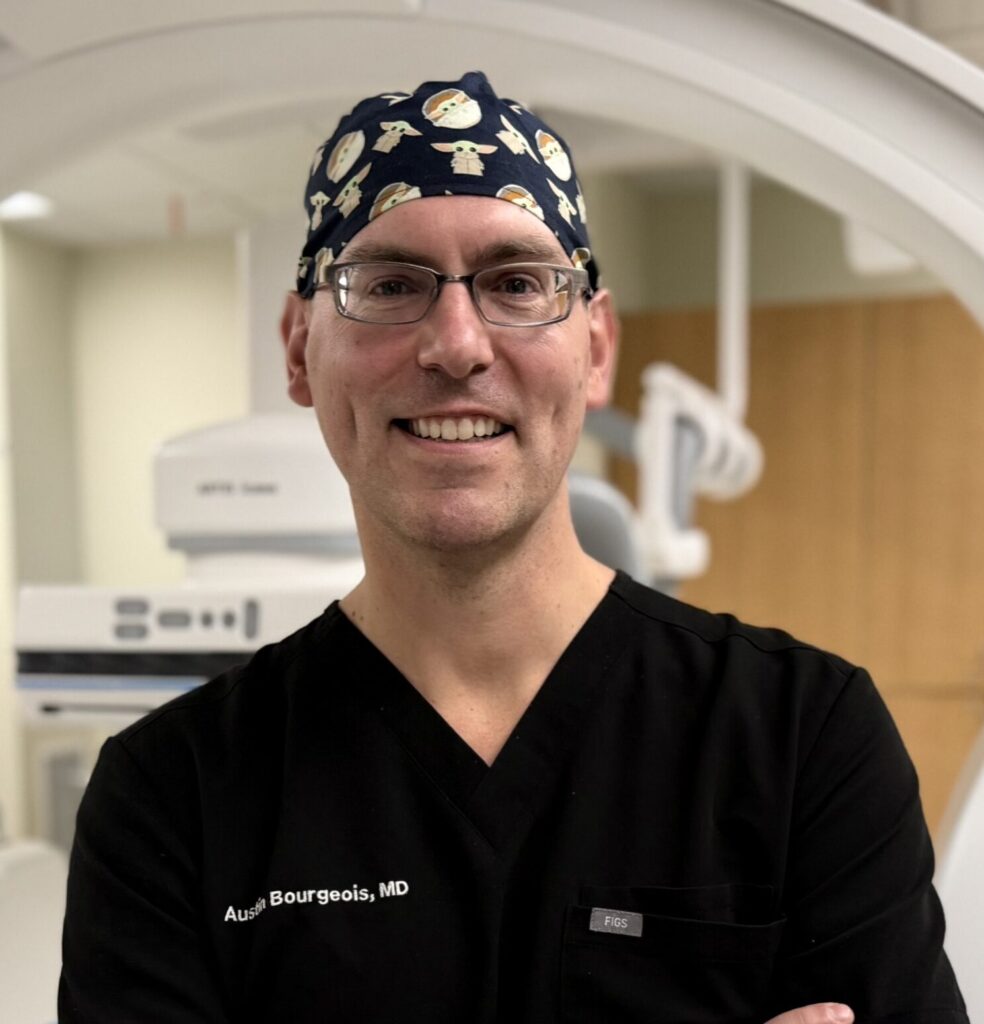

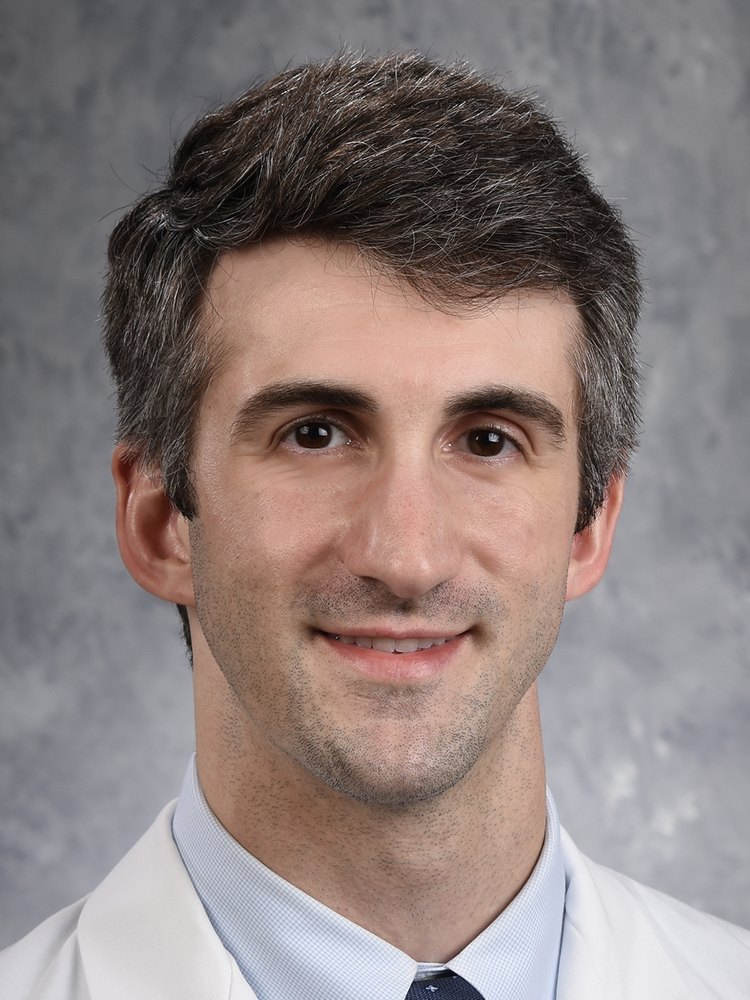
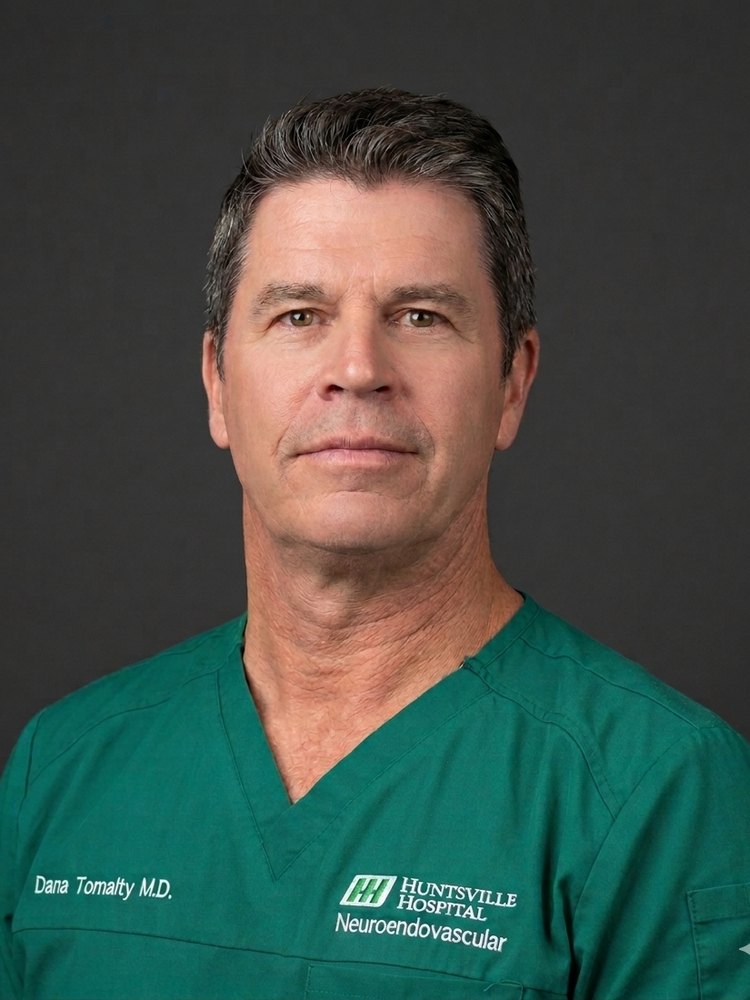
Medically reviewed by the physicians of Image Guided Intervention — Dr. Austin Bourgeois, Dr. David Kim, Dr. Ivan Morales, and Dr. Dana Tomalty, board-certified interventional radiologists in Huntsville, Alabama. Last reviewed: October 2026
Non-Surgical Relief from Uterine Fibroids
If uterine fibroids are disrupting your life — heavy bleeding that keeps you home from work, pelvic pressure that makes you look months pregnant, pain during intimacy, or constant trips to the bathroom — you deserve to know about all of your treatment options. Hysterectomy is not your only choice.
Uterine artery embolization (UAE), also called uterine fibroid embolization (UFE), is a minimally invasive procedure that shrinks fibroids by cutting off their blood supply — preserving your uterus, treating all fibroids simultaneously, and getting you back to work in 3 to 5 days instead of the 6 to 8 weeks required after hysterectomy.
Our board-certified interventional radiologists offer dedicated fibroid embolization in Huntsville, giving women in North Alabama local access to this minimally invasive treatment. No referral is needed to schedule a consultation.
Are You Experiencing These Fibroid Symptoms?
Uterine fibroids are non-cancerous growths that affect up to 80 percent of women by age 50. Common symptoms include:
- Heavy or prolonged menstrual bleeding — soaking through pads or tampons hourly
- Pelvic pain or pressure
- Frequent urination or difficulty emptying your bladder
- Constipation or bloating
- Pain during intercourse
- Lower back pain
- Enlarged abdomen — looking months pregnant
- Anemia or fatigue from chronic blood loss
If fibroids are impacting your quality of life, work, or relationships, uterine artery embolization can help you reclaim your health without major surgery.
What Is UAE?
Uterine artery embolization is a non-surgical treatment performed by an interventional radiologist. Your interventional radiologist inserts a thin catheter through a tiny puncture in the groin and guides it to the uterine arteries using real-time X-ray imaging. Microscopic particles are injected to block blood flow to the fibroids, which then shrink over the following months — typically by 40 to 60 percent.
The procedure takes 60 to 90 minutes under conscious sedation. It treats every fibroid simultaneously, regardless of number or location — unlike myomectomy, which must identify and remove each one individually. Studies show 85 to 95 percent of women experience significant symptom improvement, with heavy bleeding resolving in over 90 percent of patients.
Who Is a Candidate?
UAE is ideal for women with:
Benefits of Uterine Artery Embolization
- No surgical incision — just a tiny puncture site
- Preserves your uterus
- Treats all fibroids in one procedure regardless of number or location
- Same-day outpatient procedure
- Faster recovery than hysterectomy — 3–5 days vs. 6–8 weeks
- Significant symptom relief in 85–95% of patients
- Lower complication rate than hysterectomy (1.3–4.8% vs. 14.5–20%)
- Fibroids shrink 40–60% over 3–6 months
Recovery & Results
UFE is an outpatient procedure — you go home the same day after a few hours of monitoring. The first 24 hours involve the most intense cramping, managed with IV pain medication. Post-embolization syndrome — cramping, low-grade fever, and fatigue — typically resolves within five to seven days.
Most women return to work in 3 to 5 days. Many notice reduced bleeding within their first menstrual cycle after the procedure. Full symptom improvement continues over 3 to 6 months as fibroids shrink, with 85 to 95 percent of women reporting significant, lasting relief. At five years, 73 to 80 percent maintain symptom control. A follow-up MRI at six months documents the results.
Frequently Asked Questions
Quick answers about UFE — with links to our in-depth guides for more detail.
Read the Complete UFE Guide →Recovery, fertility, success rates, comparisons to hysterectomy, and moreHow long is recovery after UFE?
Most women return to desk work in 3 to 5 days. The first 24 hours involve the most cramping, managed with IV medication in recovery and then oral medication at home. Compare this to 6 to 8 weeks of recovery after hysterectomy.
Read our detailed recovery timeline →Is UFE covered by insurance?
Yes. UFE is covered by Blue Cross Blue Shield of Alabama, TRICARE, Medicare, Medicaid, and virtually all major commercial plans. Typical out-of-pocket with insurance is $2,000 to $3,000. Our team handles prior authorization.
See detailed cost and insurance information →How does UFE compare to hysterectomy?
UFE preserves your uterus with a 3–5 day return to work and 1.3–4.8% complication rate. Hysterectomy removes the uterus permanently but has a 6–8 week recovery and 14.5–20% complication rate.
Read our full side-by-side comparison →Can I get pregnant after UFE?
UFE preserves the uterus, so pregnancy remains possible. Published pregnancy rates after UFE are 23–41%. For women actively planning pregnancy, myomectomy is typically recommended first as it has better fertility outcomes.
Learn more in our Complete UFE Guide →What is the success rate of UFE?
UFE achieves 85 to 95 percent overall symptom improvement. Heavy bleeding resolves in over 90 percent of patients. At five years, 73 to 80 percent maintain symptom control. The FIBROID Registry of 3,000+ patients confirms these results.
See full success rate data →Why didn't my gynecologist mention UFE?
UFE is performed by interventional radiologists, not gynecologists. Many OB/GYNs focus on the surgical procedures they perform. A 2024 survey found only 17% of fibroid patients recalled being offered UFE. No referral is needed to schedule a consultation.
Learn more in our Complete UFE Guide →How much does UFE cost?
Without insurance, UFE costs $10,000 to $15,000 — significantly less than the $30,000 to $50,000+ for hysterectomy. With commercial insurance, typical out-of-pocket is $2,000 to $3,000. Medicare patients with Medigap often pay little to nothing.
See complete cost breakdown →Have more questions? Our physicians are happy to discuss your specific situation.
Schedule Your ConsultationFibroid Embolization Physicians in Huntsville
Uterine fibroid embolization is performed by our board-certified interventional radiologists. Call the clinic and you'll be scheduled with the first available specialist.