
UFE Recovery: An Honest Day-by-Day Guide
What recovery really looks like — from women who have been through it.
Schedule Your UFE Consultation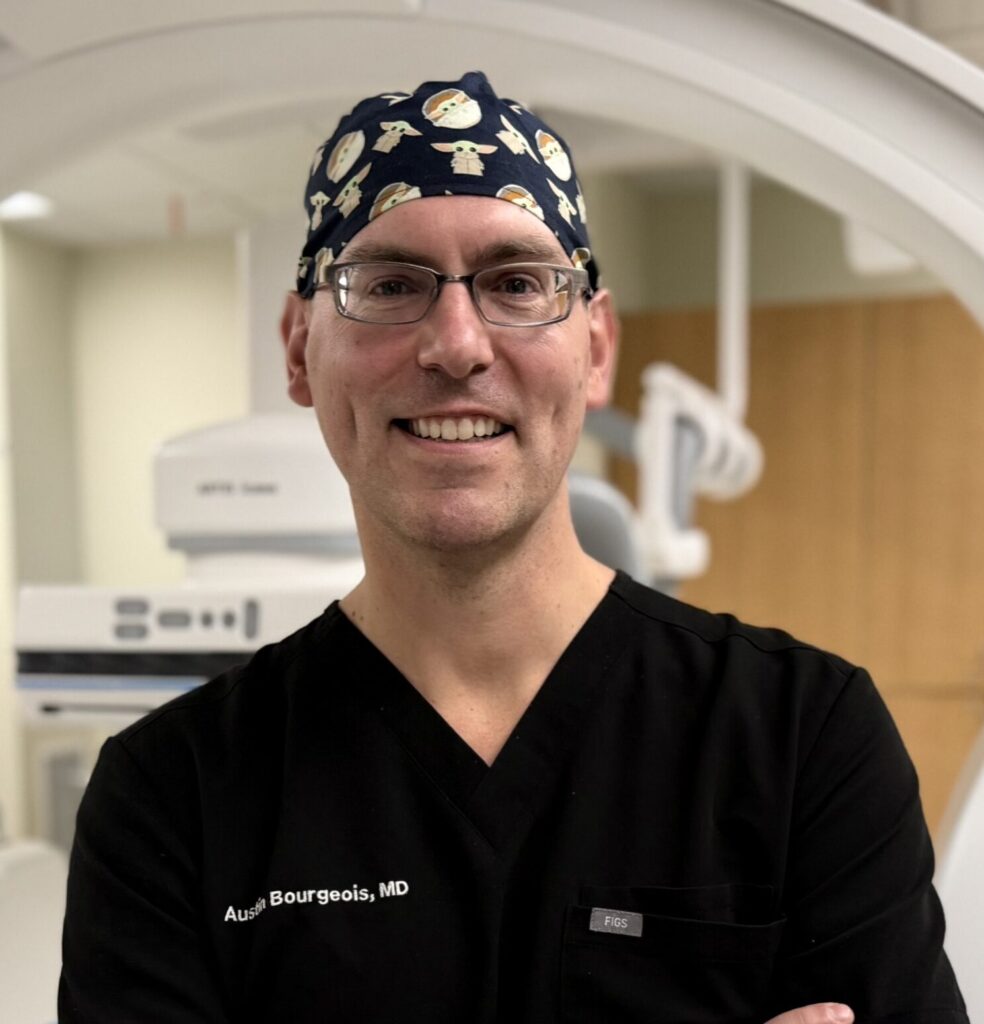


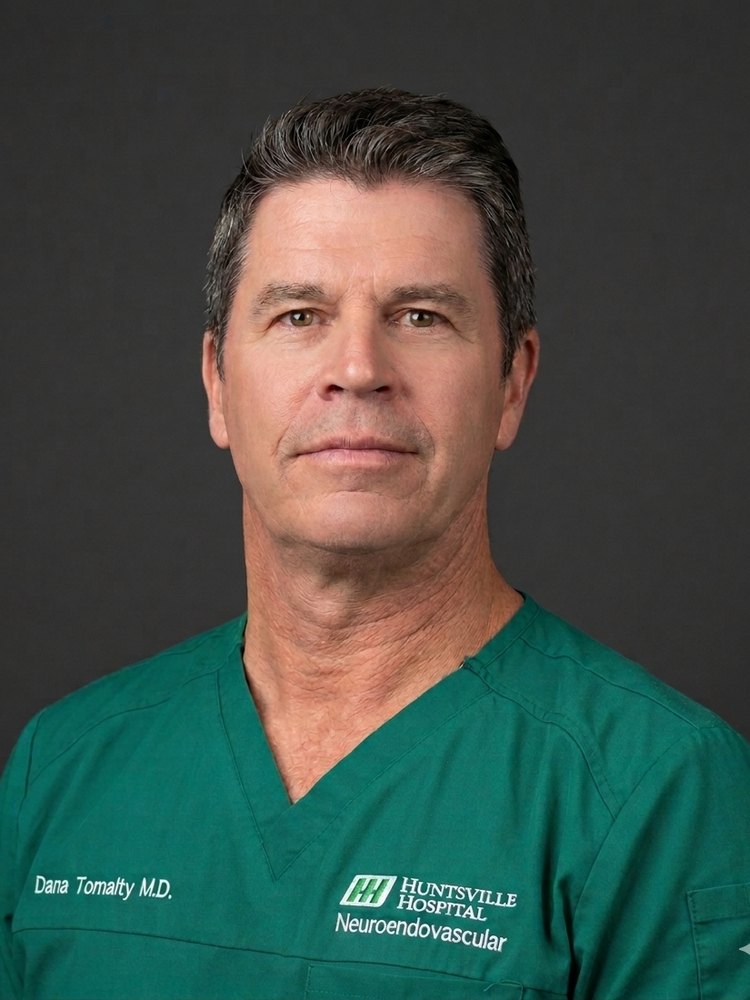
Medically reviewed by the physicians of Image Guided Intervention — Dr. Austin Bourgeois, Dr. David Kim, Dr. Ivan Morales, and Dr. Dana Tomalty, board-certified interventional radiologists in Huntsville, Alabama. Last reviewed: October 2026

We believe the best thing we can do for you is set honest expectations. UFE recovery is dramatically shorter than hysterectomy — days versus weeks — but the first 24 to 48 hours are not easy. Patients who go in prepared consistently report better experiences than those who are caught off guard.
This guide is based on published clinical data and the consistent themes from thousands of patient experiences shared in forums and support groups. We are sharing the unfiltered reality because you deserve it.
Before Your Procedure: Prepare Your Recovery Station
The number one theme from post-UFE patients is that preparation makes everything easier. Before your procedure, set up a recovery area at home:
- Heating pad (your best friend for week one)
- Medications organized and within reach
- Easy foods prepped (soups, crackers, smoothies)
- Water and fluids readily accessible
- Entertainment (books, shows, podcasts)
- Loose, comfortable clothing
- Extra pads and underwear (spotting is normal)
Your Day-by-Day Recovery Timeline
An honest guide to what to expect — day by day, week by week.
- Procedure Day
The Most Intense Window — Home the Same Day
After the procedure, you are taken to a recovery room. This is when cramping begins — and for many women, the first 12 to 24 hours involve the most intense discomfort of the entire recovery. Patients describe it as strong menstrual cramps or labor-like pain. IV pain medication manages the pain in recovery, and you go home the same day with oral medication once you are comfortable.
Low-grade fever (99–101°F) is normal. Someone must drive you home, and you should not drive for 24 hours.
#1 Patient Tip — NauseaPain medication (particularly morphine-based drugs) causes nausea in many patients. Take anti-nausea medication proactively — do not wait until you feel sick. Patients who do report a much easier first day at home. - Day 1
Resting at Home
Pain has typically transitioned from acute cramping to a deep, steady ache — still uncomfortable but meaningfully improved from the day before. You will have prescriptions for oral pain medication, anti-inflammatories, anti-nausea medication, and a short course of antibiotics.
At homeRest. Apply the heating pad. Take medications on schedule — do not wait for pain to build. Drink plenty of fluids. Eat light, easy-to-digest foods. Keep to light activity for the first five days. Your body is doing significant work processing the fibroids' tissue breakdown. - Days 2–4
Post-Embolization Syndrome Peak
Approximately 50 percent of patients experience post-embolization syndrome: ongoing cramping (less intense than day 0 but persistent), low-grade fever, fatigue, mild nausea, and sometimes vaginal discharge. This is not a complication — it is your body's inflammatory response to the fibroids losing their blood supply.
What to doHeating pad, anti-inflammatories, and rest are most important now. Light walking around the house is encouraged. Avoid heavy lifting, strenuous activity, and long periods of standing. Stay near a bathroom — mild urinary frequency is common.Everyone is differentSome women feel significantly better by day 3. Others need the full 5–7 days. Both are normal. Do not compare your timeline to anyone else's. - Days 3–5
Return to Work
Most women return to desk work between days 3 and 5. You may tire more easily than usual — listen to your body and take breaks. Women with physically demanding jobs may need longer before returning; your physician will advise you.
- Days 5–7
Turning the Corner
Most women turn a noticeable corner. Cramping fades to mild or absent. Energy begins returning. Appetite normalizes. Many women feel well enough to handle light household tasks and short errands. The heating pad becomes optional rather than essential.
Vaginal discharge or spotting may continue — this is normal and can persist for several weeks. Wear pads (not tampons) until cleared by your doctor.
- Weeks 2–4
Return to Full Activity
Progressive return to full activity. Light exercise (walking, gentle yoga) can resume at two weeks. Swimming and baths should wait until spotting stops and your puncture site is fully healed. Heavy lifting and vigorous exercise should wait until four to six weeks.
Your first post-UFE periodThis is the big milestone most women watch for. It may come on schedule, earlier, or later. Some women have a heavier first period as the uterus clears residual tissue. Others have a dramatically lighter period — sometimes so light they don't recognize it. Both are normal. By the second and third cycles, most women notice significant improvement in flow, cramping, and duration. - Months 1–6
The Real Results Emerge
Fibroids continue shrinking — average volume reduction of 42 to 52 percent by six months. Each menstrual cycle is typically lighter and less painful than the last. Bulk symptoms like pelvic pressure, urinary frequency, and abdominal distension gradually improve as fibroids get smaller.
6-Month Follow-UpFollow-up MRI documents the shrinkage and confirms successful treatment. This is often the visit where women express the most relief and satisfaction — seeing objective evidence that their fibroids have dramatically reduced in size.
When to Call the Office
For chest pain or difficulty breathing, call 911 or go to the nearest emergency room.
Contact our office if you experience any of the following:
- Fever above 101.5°F that does not respond to anti-inflammatories
- Pain not controlled by prescribed medications
- Heavy vaginal bleeding (soaking more than one pad per hour)
- Foul-smelling vaginal discharge
- Redness or swelling at the puncture site
- Inability to keep fluids or medications down due to persistent vomiting
These situations are uncommon but warrant prompt evaluation. Call 256-265-8333.
The Perspective That Matters
Yes, the first 24 to 48 hours are uncomfortable. But here is the context: most women are back at desk work in 3 to 5 days, and the entire UFE recovery takes about one to two weeks. Hysterectomy takes 6 to 8 weeks. For most women, trading two difficult days for months of avoided downtime and a preserved uterus is an exchange they would make again without hesitation. The FIBROID Registry confirms this: 85.7 percent of women who underwent UFE would recommend it to others at three years.
UFE Recovery FAQs
Quick answers to the questions women ask most about recovery.
How long is recovery after UFE?
Most women return to desk work in 3 to 5 days, and full recovery takes about one to two weeks. The first 24 to 48 hours are the hardest, and most women turn a corner around days 5–7. Compare that to 6 to 8 weeks after hysterectomy.
How painful is recovery after UFE?
The first 12 to 24 hours involve the most intense cramping — patients describe strong menstrual cramps or labor-like pain. It is managed with IV pain medication, often a PCA pump you control. By day 1 it usually becomes a deep, steady ache that improves each day.
Do I need to stay overnight after UFE?
No. UFE is an outpatient procedure — you go home the same day after a few hours of monitoring in recovery, with oral pain and anti-nausea medication. Plan for someone to drive you home, and do not drive for 24 hours.
How do I prevent nausea after UFE?
Request anti-nausea medication proactively — do not wait until you feel sick. Pain medication, especially morphine-based drugs, causes nausea in many patients, and those who receive anti-nausea medication early report a much easier first day at home.
What should I prepare at home before UFE?
Set up a recovery station with a heating pad, your medications, easy foods, fluids, entertainment, loose clothing, and extra pads. Arrange for someone to drive you home and help for the first 48 hours, and childcare for at least 3 to 5 days if you have children.
When can I exercise after UFE?
Light exercise like walking or gentle yoga can resume at two weeks. Swimming and baths should wait until spotting stops and the puncture site has healed. Heavy lifting and vigorous exercise should wait four to six weeks.
What will my first period after UFE be like?
It may come on schedule, early, or late. Some women have a heavier first period as the uterus clears residual tissue; others have a much lighter one. Both are normal. By the second and third cycles, most women notice significant improvement.
When should I call the office after UFE?
Call for a fever above 101.5°F that does not respond to anti-inflammatories, uncontrolled pain, bleeding that soaks more than one pad per hour, foul-smelling discharge, redness or swelling at the puncture site, or vomiting that keeps you from holding down fluids or medications. For chest pain or difficulty breathing, call 911.
Fibroid Embolization Physicians in Huntsville
Uterine fibroid embolization is performed by our board-certified interventional radiologists. Call the clinic and you'll be scheduled with the first available specialist.
Ready to Talk About Your Options?
Our physicians walk through recovery in detail during every consultation, so you know exactly what to expect.
Schedule a Consultation