
Liver Microwave Ablation in Huntsville
Destroy small liver tumors with precision heat — without surgery.
Schedule a Consult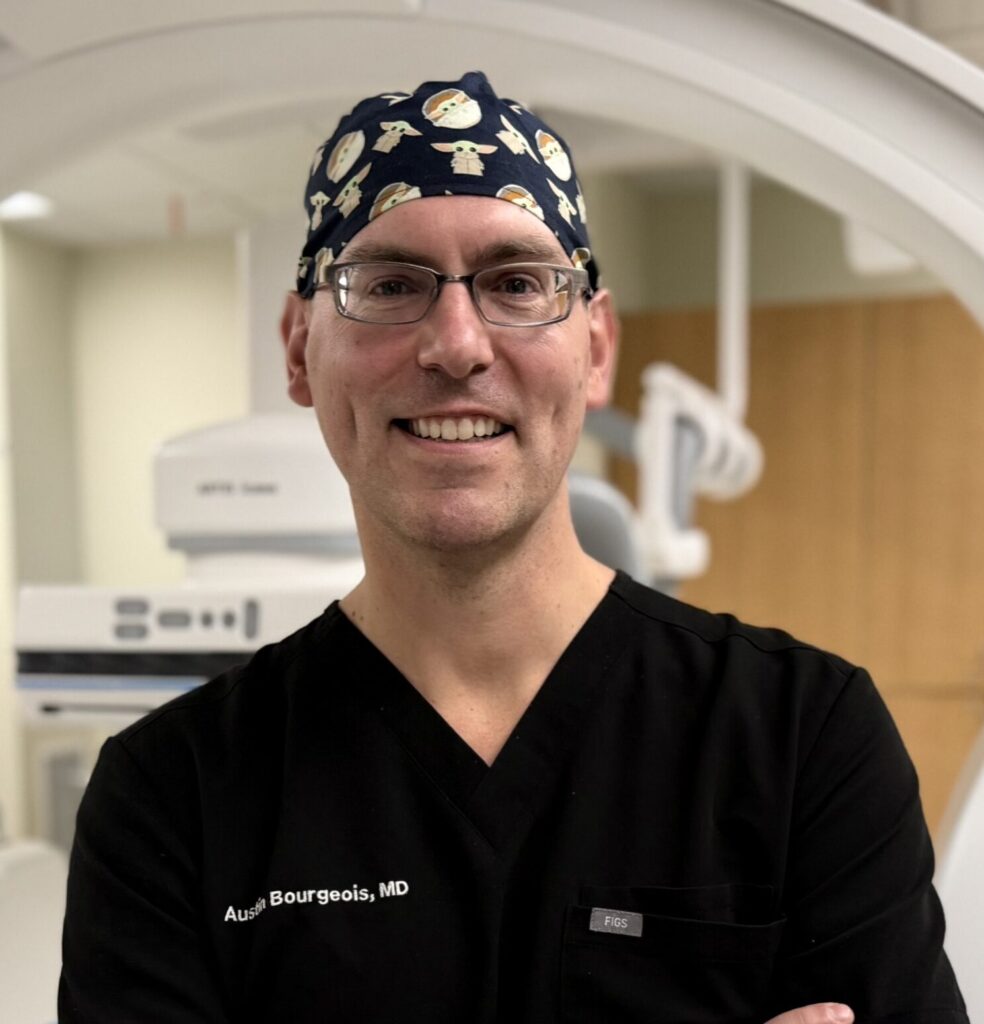

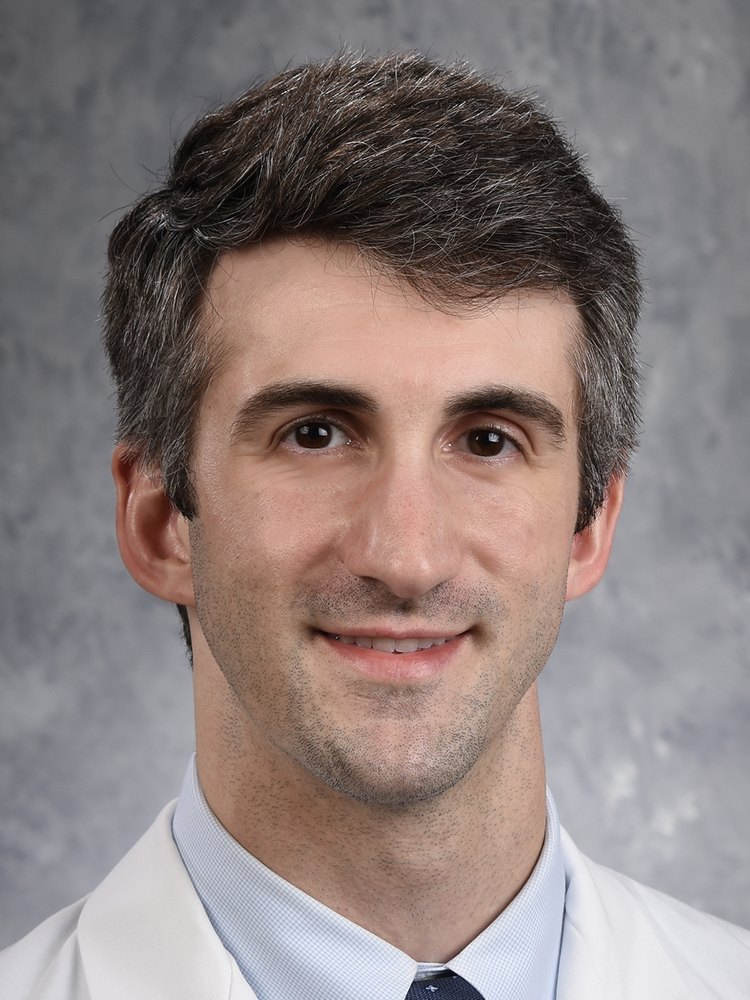
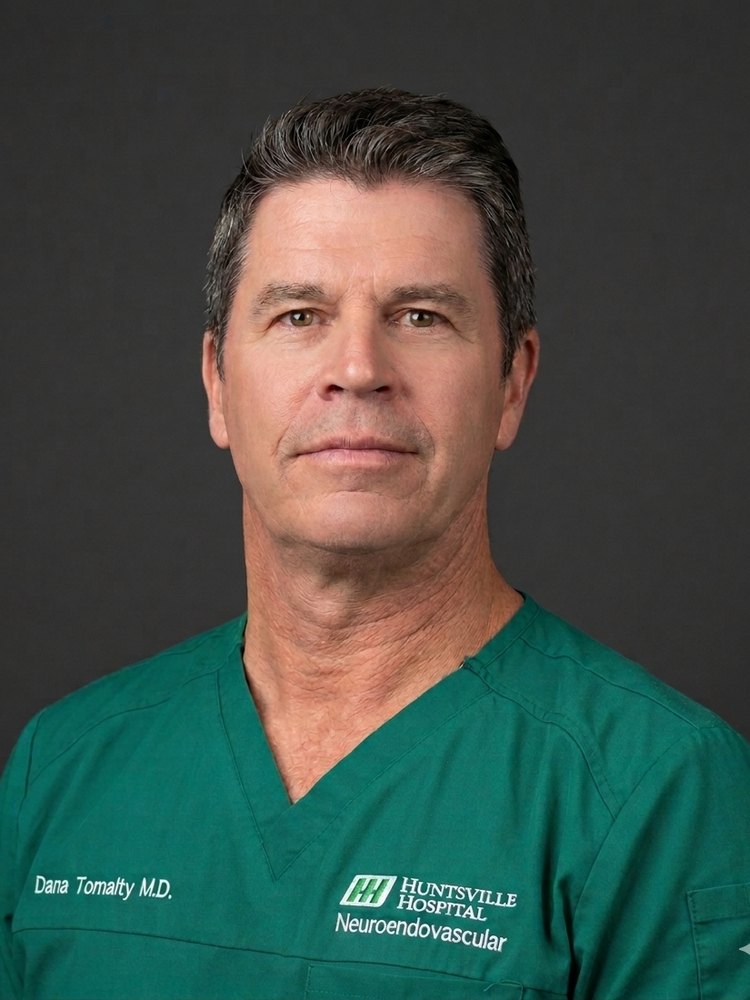
Medically reviewed by the physicians of Image Guided Intervention — Dr. Austin Bourgeois, Dr. David Kim, Dr. Ivan Morales, and Dr. Dana Tomalty, board-certified interventional radiologists in Huntsville, Alabama. Last reviewed: October 2026
A Potentially Curative Treatment for Small Liver Tumors
When liver tumors are small enough to be destroyed completely, microwave ablation offers something most liver cancer treatments cannot: a realistic chance at cure — without a single surgical incision.
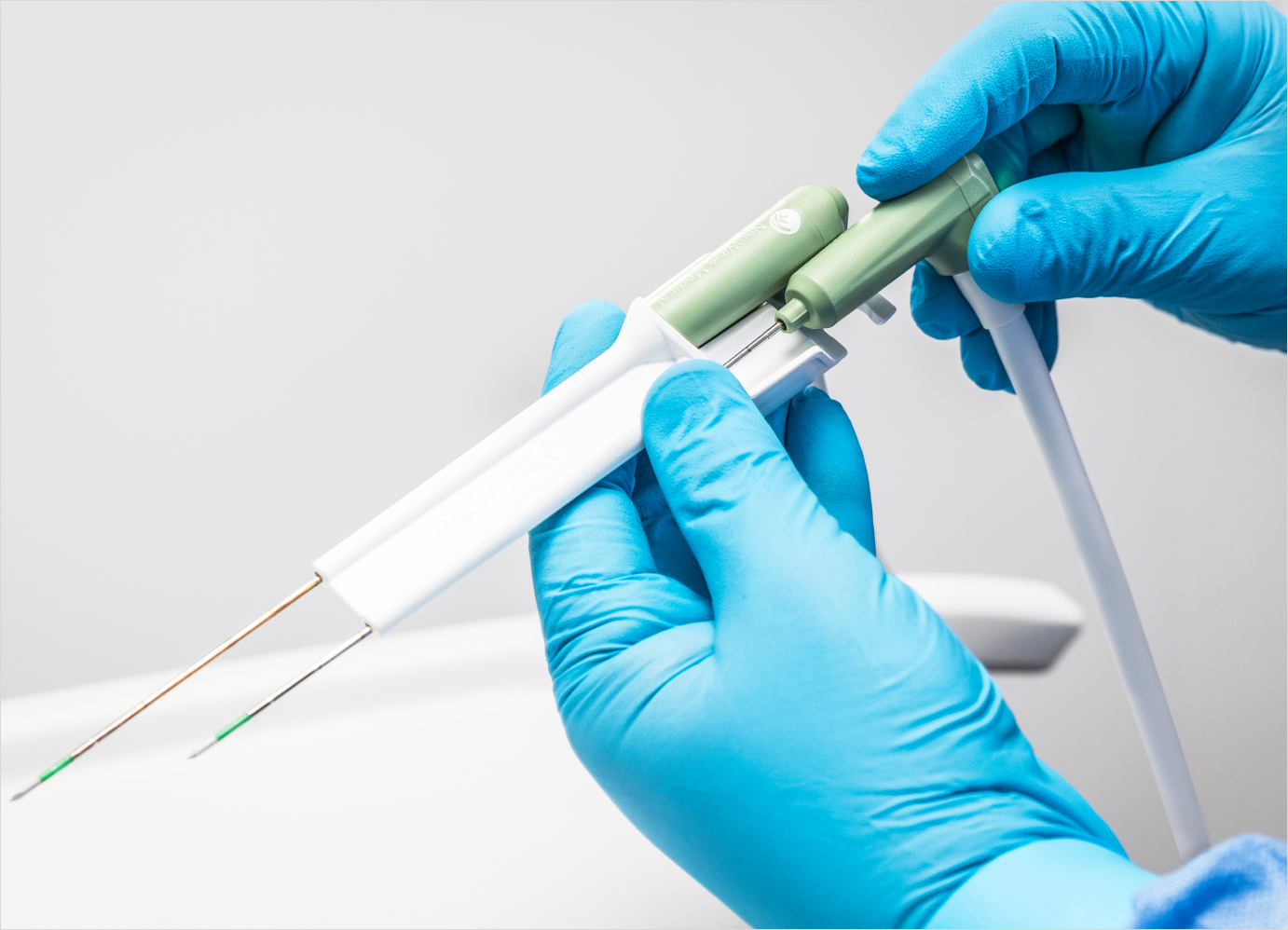
A thin, needle-like probe is inserted through the skin directly into the tumor. When activated, it generates intense, precisely targeted heat that destroys cancer cells in minutes. The destroyed tissue is gradually replaced by harmless scar tissue that shrinks over time. For tumors under three centimeters, clinical studies show survival outcomes comparable to surgical removal — with dramatically less pain, shorter recovery, and fewer complications.
This is not a new or experimental treatment. Thermal ablation has been recommended by every major cancer guideline organization for over a decade, and microwave technology is the latest and most powerful generation. The procedure typically takes one to three hours, most patients go home the next morning, and most return to their normal routine within one to two weeks.
Our interventional radiologists perform liver microwave ablation along with chemoembolization (TACE) and Y90 radioembolization, so we can recommend whichever liver-directed therapy offers the best outcome for your situation.
Liver Conditions We Treat with Microwave Ablation
Hepatocellular Carcinoma (HCC)
Primary liver cancer is the most common reason for liver microwave ablation. For early-stage HCC — particularly tumors under three centimeters — international guidelines recommend ablation as a first-line curative treatment alongside surgery. In patients who are not surgical candidates due to cirrhosis, tumor location, or overall health, microwave ablation achieves comparable long-term survival with significantly less risk. Complete tumor destruction rates exceed 95% for small tumors.
Colorectal Cancer Liver Metastases
When colon or rectal cancer spreads to the liver, microwave ablation can destroy isolated metastatic tumors that cannot be surgically removed, or when surgery would require removing too much healthy liver. Studies show local tumor control rates above 90% with modern microwave technology, and ablation can be repeated if new metastases appear. It is frequently combined with systemic chemotherapy.
Intrahepatic Cholangiocarcinoma
Small bile duct cancers within the liver that are not amenable to surgical resection may be candidates for microwave ablation as a curative-intent option, as an alternative to surgery for select patients.
Neuroendocrine Tumor Liver Metastases
Carcinoid tumors and other neuroendocrine tumors that have spread to the liver respond well to thermal ablation, particularly when there are a limited number of well-defined lesions. Ablation can relieve hormonal symptoms while controlling tumor growth, and its repeatability is especially valuable for slow-growing recurrent disease.
Bridge to Liver Transplant
For patients awaiting liver transplant, microwave ablation can control tumor growth during the waiting period and prevent progression that would disqualify them. Ablation can also downstage tumors — shrinking them enough to meet transplant eligibility criteria.
Tumors in Challenging Locations
Microwave ablation is particularly effective for tumors near major blood vessels, where older radiofrequency technology struggled. Microwave energy overcomes the cooling effect of nearby blood flow — the heat-sink effect — that historically caused incomplete treatment and higher recurrence rates.
How Microwave Ablation Works
Microwave ablation works on the same principle as a microwave oven — but with far greater precision and power, focused on an area smaller than a golf ball.
A thin antenna, roughly the diameter of a coffee stirrer, is guided through the skin and into the center of the liver tumor using real-time CT or ultrasound imaging. The antenna emits electromagnetic waves that cause water molecules inside the tumor cells to vibrate millions of times per second. This friction raises the temperature inside the tumor above 60°C (140°F), destroying cancer cells almost instantly through a process called coagulative necrosis.
The treatment zone is intentionally created five to ten millimeters larger than the visible tumor in all directions. This safety margin — the ablation margin — ensures that microscopic cancer cells surrounding the tumor are also destroyed. Achieving an adequate margin is the single most important factor in preventing the cancer from returning at the treatment site.
Active energy delivery takes roughly two to ten minutes per tumor. The antenna is then slowly withdrawn while cauterizing the insertion track to prevent bleeding and the extremely rare possibility of tumor cells seeding along the needle path. Over the following weeks and months, your body gradually absorbs the destroyed tissue, which appears on follow-up imaging as a shrinking scar with no living cancer cells if the ablation was successful.
Why Microwave Instead of Radiofrequency?
If you have researched liver ablation, you may have seen references to radiofrequency ablation (RFA) — the older thermal technology used since the 1990s. Microwave ablation has largely replaced it at most major cancer centers:
- It reaches higher temperatures faster — two to ten minutes per tumor versus twelve to twenty minutes or more with radiofrequency.
- It creates larger, more predictable ablation zones, improving the chance of complete destruction with adequate margins.
- It is significantly less affected by the heat-sink effect, the tendency of nearby blood vessels to cool the treatment zone. Switching to microwave reduces the risk of incomplete treatment by 30 to 45 percent.
- It needs no grounding pads, removing the small risk of skin burns at pad sites, and can run multiple antennas at once to treat several tumors or create larger zones.
Our physicians use the latest-generation microwave ablation technology to give patients the best possible chance of complete tumor destruction in a single session.
Is Liver Microwave Ablation Right for You?
The best candidates typically have tumors three centimeters or smaller (up to five centimeters with technique modifications) and no more than five or six tumors. During your consultation, your physician reviews your imaging, lab work, and medical history to determine whether microwave ablation, chemoembolization, Y90 radioembolization, or a combination offers the best outcome for you.
Small Liver Tumors That Cannot Be Surgically Removed
The most common scenario: you have one or more liver tumors under three to five centimeters, but surgery is not recommended — because of underlying cirrhosis, tumor location near critical blood vessels, insufficient remaining healthy liver, or overall health factors that make a major operation too risky. For these patients, microwave ablation provides curative-intent treatment with outcomes that rival surgery for small tumors.
Patients Who Prefer a Less Invasive Alternative to Surgery
Even when surgery is technically possible, some patients and their physicians choose ablation for tumors under three centimeters because it achieves comparable survival with dramatically less impact on the body. Hospital stays are measured in hours rather than days, recovery in weeks rather than months, and more healthy liver is preserved for future treatment if needed.
Patients with Multiple Small Tumors
Microwave ablation can treat multiple tumors — up to five or six — in a single session using multiple antennas simultaneously. This is particularly valuable for patients with several small metastatic tumors scattered through the liver, where surgery would require removing too much healthy tissue.
Patients Needing Tumor Control Before or After Other Treatments
Ablation works well in combination with other therapies. It can be combined with chemoembolization (TACE) for tumors in the three-to-five centimeter range — TACE first reduces blood flow to the tumor, then ablation delivers the final treatment. It can be performed before or after systemic chemotherapy, and can serve as a bridge for patients awaiting liver transplant.
What to Expect: Your Microwave Ablation Journey
Select a step to learn more.
Consultation and Treatment Planning
Your interventional radiologist reviews your diagnosis, imaging studies, lab results, and complete medical history, explains how microwave ablation works, discusses whether your tumor size, number, and location make you a strong candidate, and compares ablation to other treatment options. If you have been referred by an oncologist, hepatologist, or surgeon, we coordinate directly with your care team.
Pre-procedure blood work — including liver function, kidney function, coagulation studies, and tumor markers — is obtained. You receive specific instructions about stopping blood thinners (typically five to seven days for aspirin, three to seven days for prescription anticoagulants), fasting (nothing to eat or drink after midnight), and what to expect on procedure day.
Procedure Day
You check in at the day surgery unit, an IV is placed, and monitoring equipment is attached. For most liver ablations, general anesthesia is used — you will be completely asleep and feel nothing. Once you are under anesthesia, the team positions you in the CT scanner. Using CT guidance, your interventional radiologist makes a small skin puncture — just a few millimeters — and advances the thin microwave antenna into the center of the tumor.
A contrast-enhanced scan confirms exact positioning, and the generator delivers targeted energy for two to ten minutes per tumor. A verification CT scan is performed immediately — while you are still under anesthesia — to confirm the entire tumor has been treated with adequate margins; if any area appears undertreated, additional ablation is performed in the same session. The antenna is withdrawn while cauterizing the insertion track, and a small bandage is applied. No stitches are needed. The procedure typically takes one to three hours, though ablation time per tumor is usually under ten minutes.
Recovery and Discharge
You wake up in the recovery area and are monitored for several hours. Vital signs, pain levels, and the skin puncture site are checked regularly. Most patients experience mild soreness at the insertion site and some general fatigue. Pain medication is available, but many patients need only over-the-counter options.
Blood work is drawn to check liver function. Once you are eating, drinking, and comfortable with oral medication, you are cleared for discharge. Most patients go home the morning after the procedure, and same-day discharge is possible for straightforward cases.
Recovery at Home and Follow-Up
You go home with instructions to rest for the first few days, keep the puncture site clean and dry, and avoid heavy lifting for one to two weeks. Most patients feel noticeably better each day and return to light activities and desk work within one week. Full recovery to baseline energy typically takes two to three weeks — a fraction of the four-to-eight-week recovery after liver surgery.
Your first follow-up imaging scan — a contrast-enhanced CT or MRI — is performed at about one month to confirm complete tumor destruction and establish a baseline. After that, imaging is repeated every three months for the first year, then every three to six months.
How Many Treatments Will I Need?
Many patients require only a single ablation session. Additional sessions may be needed if you have multiple tumors treated in stages, if follow-up imaging reveals an area of incomplete treatment, or if new tumors develop months or years later.
One of the key advantages of ablation over surgery is its repeatability — the procedure can be performed multiple times because it preserves healthy liver tissue rather than removing it.
Why Patients Choose Microwave Ablation
Potentially Curative for Small Tumors
Unlike many liver cancer treatments that control disease without eliminating it, microwave ablation can completely destroy small tumors. For hepatocellular carcinoma under three centimeters, studies show no significant survival difference between ablation and surgical removal.
Complete Tumor Destruction in Over 95% of Cases
Modern microwave ablation achieves technical success rates of 95 to 99 percent for tumors under three centimeters. A 2025 real-world registry of over 600 patients across 24 centers reported 98 percent technical success, with 12-month overall survival of 96 percent.
Minimally Invasive — No Surgical Incision
The entire procedure is performed through a skin puncture just a few millimeters wide. There are no incisions, no stitches, and no visible scarring. Most patients go home the next morning.
Dramatically Faster Recovery Than Surgery
Liver surgery typically requires a five-to-seven-day hospital stay and four to eight weeks of recovery. Most ablation patients are discharged within 24 hours and return to normal activities in one to two weeks — important for patients who need to resume chemotherapy or other treatments quickly.
Fewer Complications Than Surgery
Major complication rates for percutaneous microwave ablation run approximately 3 to 5 percent, compared to 17 percent or higher for liver surgery. Blood loss is minimal (typically under 50 milliliters compared to 200 or more with surgery).
Preserves Healthy Liver Tissue
Ablation destroys only the tumor and a small surrounding margin, leaving the rest of the liver intact. Preserving liver volume is critical for patients with cirrhosis and keeps more treatment options available if new tumors develop.
Can Be Repeated as Needed
Because ablation preserves liver tissue rather than removing it, the procedure can be safely repeated — whether to retreat a previously treated area or to treat new tumors that develop later.
Works Where Older Technology Failed
Microwave ablation is less affected by the heat-sink effect near blood vessels, creates larger and more predictable treatment zones, and reduces the risk of incomplete treatment by 30 to 45 percent compared to radiofrequency. If you were previously told a tumor was not treatable with ablation, it may be worth reevaluating.
Ablation vs. Other Liver Cancer Treatments
Choosing the right treatment depends on tumor size, number, location, liver function, and overall health. Here is how microwave ablation compares to other common approaches:
Ablation vs. Surgical Resection
Surgery and ablation are both curative-intent options for small liver tumors.
- For tumors under three centimeters, multiple studies show no significant difference in long-term survival between ablation and surgery. The survival gap emerges only for larger tumors (three to five centimeters) and at longer time horizons (seven-plus years).
- Ablation has dramatically shorter recovery: one to two weeks versus four to eight weeks for surgery. Hospital stay is typically one night versus five to seven nights.
- Major complication rates are significantly lower with ablation (3 to 5 percent versus 17 percent). Blood loss averages 50 milliliters versus 200 or more.
- Surgery removes an entire section of liver; ablation preserves healthy tissue. This matters for patients with limited liver function or who may need future treatments.
- Surgery remains preferred for larger tumors (greater than three centimeters) and when complete surgical removal with clear margins is achievable.
Ablation vs. Chemoembolization (TACE)
These are complementary treatments that work best for different tumor sizes:
- Ablation is preferred for small tumors (under three centimeters) because it can achieve complete destruction — a potentially curative outcome. TACE is preferred for larger or more numerous tumors where complete destruction with ablation alone is not feasible.
- For tumors in the three-to-five centimeter range, ablation and TACE are often combined: TACE first reduces blood flow to the tumor, then ablation delivers the final treatment. This combination achieves complete tumor response in 65 percent of cases, compared to 38 percent with TACE alone.
- Ablation is typically a single session with a short stay. TACE usually requires an overnight hospital stay and averages two to three sessions.
- Our physicians perform both procedures and select or combine them based on your tumor characteristics.
Ablation vs. Y90 Radioembolization
Both are minimally invasive and performed by an interventional radiologist, but they work very differently.
- Ablation uses heat to destroy tumors directly; Y90 delivers targeted radiation through microscopic beads injected into the tumor blood supply.
- Ablation is preferred for small, well-defined tumors where complete destruction is the goal. Y90 is preferred for larger tumors, diffuse disease, or tumors with portal vein invasion — situations where ablation cannot safely cover the entire tumor.
- Ablation offers the fastest recovery of the liver-directed therapies (one to two weeks). Y90 is also well tolerated, but fatigue can persist for several weeks.
- Both treatments preserve healthy liver tissue and can be repeated. Our physicians recommend the approach best suited to your tumor characteristics.
Your Recovery Timeline After Liver Microwave Ablation
One of the most common things we hear from patients is that recovery was easier than they expected. That said, we believe in preparing you honestly so there are no surprises.
- Day of Procedure
Monitored Recovery
After waking from anesthesia, you spend several hours in recovery while the team monitors your vital signs, pain levels, and the small puncture site. You may feel groggy, mildly sore in your upper abdomen, and tired. Most patients begin eating light foods within a few hours. Pain is typically mild — averaging three to four out of ten — and well controlled with medication.
- Day 1
Discharge Day
Morning blood work confirms your liver function is stable. Once you are eating, drinking, and comfortable with oral pain relief, you are cleared to go home. A responsible adult must drive you. You receive instructions on activity, wound care, and which symptoms warrant a phone call. Most patients leave feeling surprisingly well.
- Days 2–5
Rest at Home
Rest with light activity. Mild soreness at the puncture site and some upper abdominal discomfort are normal. Some patients feel referred pain in the right shoulder — caused by irritation of the diaphragm near the liver, not a sign of anything wrong — which typically resolves within one to three days. Keep the puncture site clean and dry, avoid baths and pools for 72 hours, and no heavy lifting.
- Days 3–10
Post-Ablation Syndrome
About one in four patients develops post-ablation syndrome: low-grade fever, fatigue, body aches, and sometimes mild nausea. This is not a complication — it is a normal inflammatory response to the destroyed tumor tissue being broken down, and a sign the treatment worked. Symptoms are generally mild, managed with acetaminophen, and resolve within five to ten days. If you do not experience it, that is equally normal.
- Weeks 1–2
Back to Light Activity
Most patients return to light daily activities, desk work, and driving within the first week. Energy improves noticeably each day, and the puncture site heals into a barely visible mark. Appetite may be reduced for a week or so. Avoid strenuous exercise or heavy lifting until cleared by your physician, typically at two weeks.
- Weeks 3–4
Fully Recovered — First Follow-Up Imaging
Most patients feel fully recovered and have returned to their normal routine, including exercise. Your first follow-up CT or MRI around the one-month mark establishes a baseline of the ablation zone, and your physician reviews the results with you to confirm whether complete tumor destruction was achieved.
- Months 3 and Beyond
Ongoing Surveillance
Imaging is repeated every three months for the first year, then every three to six months. Tumor markers (AFP for primary liver cancer, CEA for colorectal metastases) are monitored at each visit. The ablation zone gradually shrinks as scar tissue contracts — a normal finding. If surveillance detects a new tumor, retreatment with ablation or another therapy can be planned promptly.
What success looks like on imaging: A successfully ablated tumor appears as a non-enhancing area (no blood flow) that is larger than the original tumor, because the safety margin was intentionally included. A thin, smooth rim of enhancement around the edge is normal healing, not residual cancer. Over time this zone shrinks into a small scar. Irregular, nodular, or growing enhancement at the margin would prompt further evaluation.
Insurance Coverage for Microwave Ablation
Microwave ablation is broadly covered by insurance when medically indicated. Blue Cross Blue Shield of Alabama, Medicare, Alabama Medicaid, TRICARE, UnitedHealthcare, Aetna, and Cigna cover liver ablation for standard indications including hepatocellular carcinoma and colorectal liver metastases. Prior authorization is typically required, and our team handles this process on your behalf.
Because ablation is a single, short procedure with a fast recovery, national analyses have found it to be one of the most cost-effective liver cancer treatments available compared with surgical resection or transplant.
Veterans receiving care through the VA system may be eligible for community care authorization to receive liver ablation locally in Huntsville rather than traveling to the Birmingham VA Medical Center. Our office can assist with the referral and authorization process.
Before your procedure, our team verifies your insurance coverage, obtains necessary authorizations, and explains any expected out-of-pocket costs.
What If My Tumor Is Too Large for Ablation Alone?
Not every liver tumor is best treated with ablation alone — and we believe in being upfront about that from the start. Here is how our physicians approach tumors that fall outside the ideal ablation window:
- Combined TACE Plus Ablation for Larger TumorsFor tumors in the three-to-five centimeter range, chemoembolization and microwave ablation are often performed together. TACE first cuts off the tumor blood supply, which eliminates the heat-sink effect and makes the ablation more effective. Studies show this combination achieves complete tumor response in 65 percent of patients — nearly double the rate of TACE alone. Learn about TACE →
- Y90 Radioembolization for Diffuse or Large TumorsWhen tumors are too large, too numerous, or too diffuse for ablation, Y90 radioembolization delivers targeted radiation through microscopic beads to the tumor blood supply. Our physicians perform both and can transition between them based on your tumor response. Learn about Y90 →
- Systemic Therapy IntegrationMicrowave ablation works effectively alongside chemotherapy, immunotherapy, and targeted therapy. Your oncologist may recommend ablation to eliminate visible liver tumors while systemic treatment addresses microscopic disease elsewhere, and the rapid recovery lets you resume other treatments quickly.
- Liver Transplant PathwayFor patients whose liver function is severely compromised by cirrhosis, ablation may serve as a bridge to transplant — controlling tumors while you await a donor organ — and can downstage tumors that initially exceed transplant size criteria.
- Surveillance After Successful AblationIf imaging confirms complete tumor destruction, you enter active surveillance with imaging every three months. New tumors can develop — particularly with underlying cirrhosis or ongoing hepatitis — but catching them early means they can often be treated with repeat ablation.
The key advantage: our physicians offer microwave ablation, chemoembolization, and Y90 radioembolization — the full spectrum of liver-directed therapies performed by interventional radiologists. Your treatment recommendation is guided by what is best for your tumor, not by what a particular facility happens to offer.

Expert Liver Tumor Treatment — Close to Home
Our interventional radiologists bring academic medical center-caliber liver tumor treatment to Huntsville, and our team performs all three liver-directed therapies — microwave ablation, chemoembolization, and Y90 radioembolization — allowing unbiased recommendations based on what works best for each patient. Liver-directed therapy is also a focus of Dr. Austin Bourgeois's research:
- Board-certified in Interventional Radiology and Diagnostic Radiology
- Fellowship-trained in Vascular and Interventional Radiology at the Medical University of South Carolina, with specialized training in interventional oncology and thermal ablation
- Published researcher in interventional oncology, with peer-reviewed manuscripts on liver-directed therapy techniques and outcomes in the Journal of Vascular and Interventional Radiology (JVIR)
- Member of the JVIR editorial board
- Practicing in North Alabama since 2016, with established relationships across the regional oncology, gastroenterology, and hepatology referral network
You receive the same quality of care available at major academic cancer centers — with the convenience of staying in Huntsville, close to your family, your oncologist, and your support system.
Whether you have been referred by Clearview Cancer Institute, your gastroenterologist, your hepatologist, or are seeking a second opinion on a treatment plan, our physicians welcome the opportunity to review your case and discuss your options.
Frequently Asked Questions
Quick answers about liver microwave ablation — what to expect, recovery, and results.
Can microwave ablation cure liver cancer?
For small hepatocellular carcinoma tumors under two to three centimeters, microwave ablation is considered a potentially curative treatment. Multiple clinical studies show no significant difference in long-term survival between ablation and surgical removal for tumors in this size range. This is a procedure performed with curative intent — not just disease control. Success depends on tumor size, achieving adequate treatment margins, and the underlying liver condition.
What is the success rate of liver microwave ablation?
Technical success — meaning complete tumor destruction confirmed on imaging — is achieved in 95 to 99 percent of tumors under three centimeters. A major 2025 real-world registry study of over 600 patients across 24 medical centers reported 98 percent technical success and 12-month overall survival of 96 percent. For tumors under one centimeter, local recurrence rates are under 7 percent at two years.
How does microwave ablation compare to radiofrequency ablation?
Microwave ablation is the newer, more powerful technology that has largely replaced radiofrequency at most major cancer centers. It reaches higher temperatures faster, creates larger and more predictable treatment zones, and is significantly less affected by blood flow cooling near vessels. Clinical studies show microwave reduces the risk of incomplete treatment by 30 to 45 percent compared to radiofrequency. It also treats tumors faster — typically two to ten minutes versus twelve to twenty minutes per tumor.
Is liver ablation painful?
During the procedure itself, you feel nothing — most liver ablations are performed under general anesthesia. After the procedure, pain is typically mild, averaging three to four out of ten on a pain scale. Most patients manage with over-the-counter pain relief. Some patients experience referred pain in the right shoulder for one to three days due to diaphragm irritation — this is common and resolves on its own. We proactively manage pain so you are never asked to tough it out.
How long does recovery take?
Most patients go home the day after the procedure and return to light activities and desk work within one week. Full recovery to baseline energy levels typically takes two to three weeks. Compare this to liver surgery, which requires a five-to-seven-day hospital stay and four to eight weeks of recovery. Some patients with very small tumors treated percutaneously may be discharged the same day.
What is post-ablation syndrome?
Approximately one in four patients develops low-grade fever, fatigue, body aches, and mild nausea beginning three to five days after the procedure and lasting five to ten days. This is not a complication — it is your immune system responding to the destroyed tumor tissue being broken down and absorbed. It is actually a sign that the treatment worked. Symptoms are managed with over-the-counter acetaminophen. If you do not experience it, that is equally normal.
What size tumors can be treated with microwave ablation?
Ideal candidates are tumors three centimeters or smaller, where complete ablation rates exceed 95 percent and outcomes rival surgery. Tumors up to five centimeters can be treated with technique modifications such as multiple antenna placements or combination with chemoembolization. For tumors larger than five centimeters, other liver-directed therapies such as TACE or Y90 radioembolization are generally more appropriate. Our physicians offer all three and recommend the best fit for your specific tumor.
Does insurance cover liver microwave ablation?
Yes. Liver ablation is covered by virtually all major insurance plans when medically indicated, including Blue Cross Blue Shield of Alabama, Medicare, Alabama Medicaid, TRICARE, UnitedHealthcare, Aetna, and Cigna. Prior authorization is required, and our team manages this process for you. National cost analyses have found liver ablation to be one of the most cost-effective liver cancer treatments available.
Can multiple tumors be treated in one session?
Yes. Microwave ablation can treat multiple tumors in a single session — up to five or six tumors depending on their size and location. Modern microwave systems can operate multiple antennas simultaneously, allowing treatment of several tumors at once. This is particularly valuable for patients with multiple small metastatic tumors.
Will I need more than one treatment?
Many patients need only a single session. Additional treatments may be necessary if you have multiple tumors treated in stages, if follow-up imaging reveals a small area of incomplete treatment that needs retreatment, or if new tumors develop months or years later. One of ablation's key advantages is its repeatability — because it preserves healthy liver tissue, it can be performed multiple times without compromising liver function.
What happens to the dead tumor after ablation?
The destroyed tumor cells become inert scar tissue. Your immune system gradually absorbs this tissue over the following weeks and months. On follow-up imaging, the treated area appears as a shrinking area of scar with no blood flow — confirming that no living cancer cells remain. The ablation zone is intentionally larger than the original tumor because of the safety margin included during treatment.
Who should NOT have liver microwave ablation?
Ablation may not be appropriate for patients with tumors larger than five centimeters (unless combined with TACE), tumors in certain locations directly adjacent to the bile ducts, gallbladder, stomach, or bowel where heat could cause injury, severely compromised liver function (Child-Pugh class C), cancer that has spread extensively outside the liver, active untreated infection, or significant blood clotting disorders. These factors are carefully evaluated during your consultation.
Have more questions? Our physicians are happy to discuss your specific situation.
Schedule Your ConsultationLiver Ablation Physicians in Huntsville
Liver microwave ablation is performed by our board-certified interventional radiologists. Call the clinic and you'll be scheduled with the first available specialist.
Talk With Our Team About Microwave Ablation
Whether you've been referred by your oncologist or want a second opinion, we'll help you understand your options.
Schedule Your Consultation